Women's Healthcare Guided by an Experienced OB/GYN Specialist in Seoul
en-US
The HPV Vaccine & Its Role in Preventing Throat & Oral Cancers
Discover how the HPV vaccine helps prevent throat and oral cancers, reducing risks and protecting long-term health.
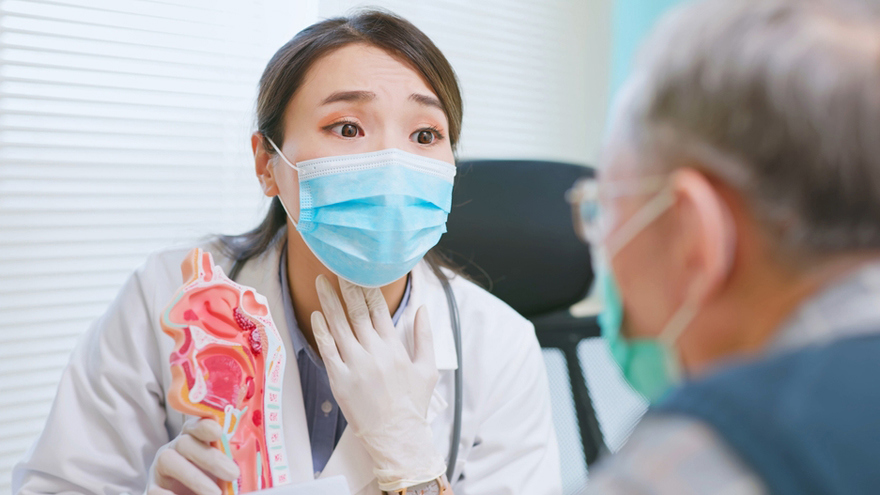
The HPV Vaccine & Its Role in Preventing Throat & Oral Cancers
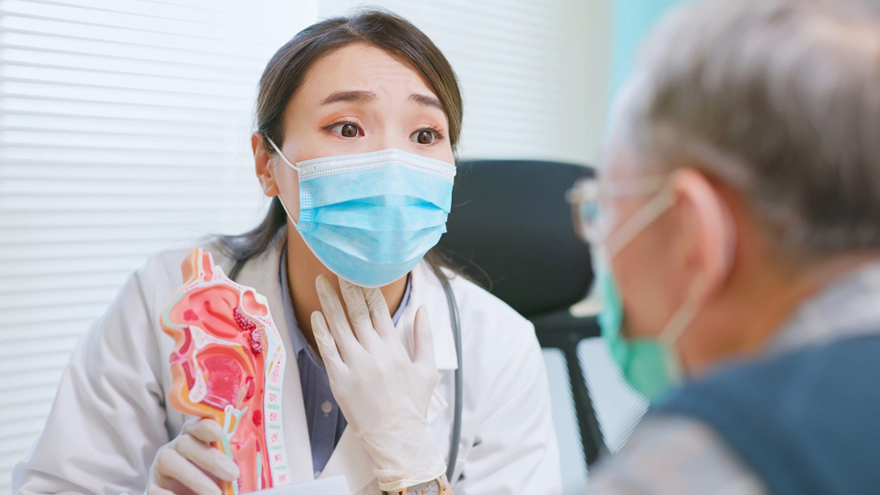
In recent years, awareness of the human papillomavirus (HPV) has increased due to its known role in causing cervical cancer. However, what many people don’t realize is that HPV is also a leading cause of throat and oral cancers. As scientific understanding deepens, the HPV vaccine emerges not only as a tool for preventing cervical disease but also as a powerful defense against a range of cancers, including those of the head and neck.
At Second Spring Women’s Clinic, where personalized care and preventative medicine go hand in hand, we believe in empowering patients with knowledge. In this article, we explore what HPV is, how it leads to oropharyngeal cancers, and why vaccination is an essential step in protecting long-term health.
What Is HPV?
HPV, or human papillomavirus, is a group of more than 150 related viruses. It is the most common sexually transmitted infection globally, affecting both men and women. Most HPV infections resolve naturally within two years and do not cause health problems. However, certain strains—especially HPV types 16 and 18—are considered high-risk because they can lead to cancer.
Common Types of HPV:
Low-risk strains (e.g., HPV 6 and 11): Cause genital warts and are not cancerous.
High-risk strains (e.g., HPV 16 and 18): Can cause cervical, anal, penile, vulvar, vaginal, and oropharyngeal cancers.
HPV and Oropharyngeal Cancers
What Are Oropharyngeal Cancers?
Oropharyngeal cancers affect the middle part of the throat, including the back of the tongue, the soft palate, the tonsils, and the walls of the pharynx. While smoking and alcohol use were once the main risk factors, today HPV is considered the leading cause of oropharyngeal cancers in developed countries.
The Link Between HPV and Throat Cancer
According to global cancer registries, HPV is responsible for approximately 70% of oropharyngeal cancers. HPV type 16 is the most common culprit. These cancers are biologically and clinically distinct from those caused by tobacco or alcohol and tend to affect younger, non-smoking individuals—particularly men.
How Does HPV Cause Cancer?

HPV infects epithelial cells—the cells lining surfaces in the body. When the virus invades these cells, it can remain dormant or start producing proteins that interfere with cell regulation. High-risk HPV types produce two proteins, E6 and E7, which can deactivate the body’s natural tumor-suppressing mechanisms. Over time, this disruption may cause cells to mutate and become cancerous.
Unlike cervical cancer, which can be detected early through Pap smears, HPV-related throat cancers often go unnoticed until they reach an advanced stage. This makes prevention through vaccination even more critical.
The HPV Vaccine: A Game-Changer
What Is the HPV Vaccine?
The HPV vaccine is a safe and effective immunization that protects against the most common cancer-causing types of the virus. The most widely used vaccine today is Gardasil 9, which covers nine HPV types, including types 6, 11, 16, and 18.
Gardasil 9 has been approved by the U.S. FDA and many international health organizations, including Korea’s Ministry of Food and Drug Safety.
How Does It Work?
The vaccine works by stimulating the immune system to produce antibodies against HPV, preventing the virus from establishing an infection in the first place. It does not contain live virus and cannot cause HPV infection.
The Vaccine’s Role in Preventing Throat and Oral Cancers
Although originally introduced to reduce cervical cancer rates, the HPV vaccine has proven benefits far beyond the cervix.
Clinical Evidence:
Studies show up to a 90% reduction in oral HPV infections among vaccinated individuals.
In countries with widespread vaccination programs, rates of HPV-related head and neck cancers are beginning to decline.
A 2020 study published in The Lancet concluded that HPV vaccination significantly reduces the prevalence of high-risk oral HPV strains, particularly HPV 16.
Long-Term Impact:
Because oropharyngeal cancers may take years or decades to develop, the full benefit of vaccination will become increasingly clear as vaccinated generations reach middle age. However, current data already supports vaccination as a long-term cancer prevention strategy.
Who Should Get the HPV Vaccine?
Recommended Age Groups:
Ideal age: 11 to 12 years (can be given as early as age 9)
Catch-up vaccination: For teens and young adults up to age 26
Select cases (adults aged 27–45): May consider vaccination based on individual risk factors and consultation with a doctor
The earlier the vaccine is administered—ideally before sexual activity begins—the more effective it is in preventing HPV infections.
Can Adults Still Benefit?
Yes. While the vaccine is most effective before exposure to HPV, adults who have not been previously vaccinated may still gain protection from the strains they haven’t encountered. In fact, the U.S. Centers for Disease Control and Prevention (CDC) now includes vaccination for adults up to age 45 in certain situations, following shared decision-making with a healthcare provider.
At Second Spring Women’s Clinic, Dr. Seon-Hwa Jeong and her team offer personalized vaccine consultations, ensuring patients understand their options and timing.
HPV Vaccination for Boys and Men
Although much of the early HPV vaccination efforts focused on girls, it’s important to recognize that men are at higher risk for HPV-related throat cancers. Because there are no routine screenings for these cancers, prevention through vaccination is crucial.
Why Men Need the Vaccine Too:
HPV-related throat cancers are more common in men.
Men often carry and transmit high-risk HPV without symptoms.
Vaccination reduces the overall burden of infection in the population (herd immunity).
Is the HPV Vaccine Safe?
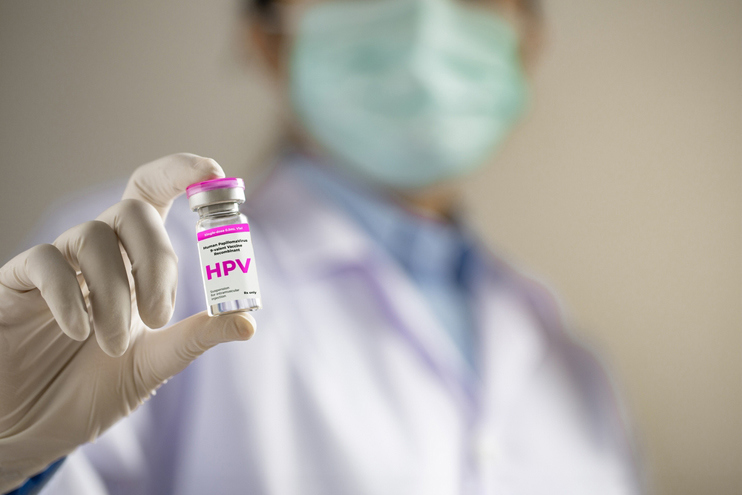
Yes. The HPV vaccine has been thoroughly studied and is widely considered safe. Side effects are usually mild and temporary, such as:
Soreness at the injection site
Mild fever or headache
Dizziness or fainting (especially in adolescents)
Millions of doses have been administered worldwide with no evidence of serious long-term complications.
Overcoming Myths and Misconceptions
Despite its proven safety and effectiveness, myths about the HPV vaccine persist. Here’s the truth:
Myth: The vaccine encourages early sexual activity.
Truth: Studies show no link between HPV vaccination and increased sexual behavior.Myth: Only women need the vaccine.
Truth: Both men and women are affected by HPV-related cancers and benefit from vaccination.Myth: If I’ve already had HPV, the vaccine won’t help.
Truth: The vaccine still offers protection against other strains.
Prevention Beyond Vaccination
While the HPV vaccine is highly effective, it’s not the only line of defense. A holistic approach to cancer prevention includes:
Regular screenings: Especially Pap smears for cervical cancer.
Safe sexual practices: Using condoms and limiting partners.
Tobacco and alcohol reduction: To lower overall cancer risk.
Oral hygiene and healthy lifestyle: To support immune function and overall well-being.
HPV and Women's Health at Second Spring Clinic
At Second Spring Women’s Clinic in Seoul, we offer the HPV vaccine as part of our comprehensive women’s health services. Our clinic prioritizes preventive care, fertility preservation, and minimally invasive treatments—all delivered with compassion and expertise.
Dr. Seon-Hwa Jeong, an expert in gynecology and reproductive endocrinology, ensures that each patient receives tailored guidance on vaccination, screening, and follow-up care.
Whether you are a young adult preparing for the future or a mother exploring vaccination for your child, we are here to support your choices with reliable information and advanced care.
Final Thoughts
HPV-related throat and oral cancers are preventable, yet still on the rise. The HPV vaccine stands as a powerful tool—not just for women but for everyone. By taking action early, you’re not only protecting yourself from infection but investing in a healthier future.
At Second Spring Women’s Clinic, we believe prevention is the foundation of lifelong wellness. Schedule a consultation today to learn more about how the HPV vaccine can benefit you or your family.