Women's Healthcare Guided by an Experienced OB/GYN Specialist in Seoul
en-US
The Link Between Menopause & Osteoporosis—How to Protect Your Bones
Learn how menopause increases osteoporosis risk and discover effective strategies to protect your bones for a healthier future.
Introduction
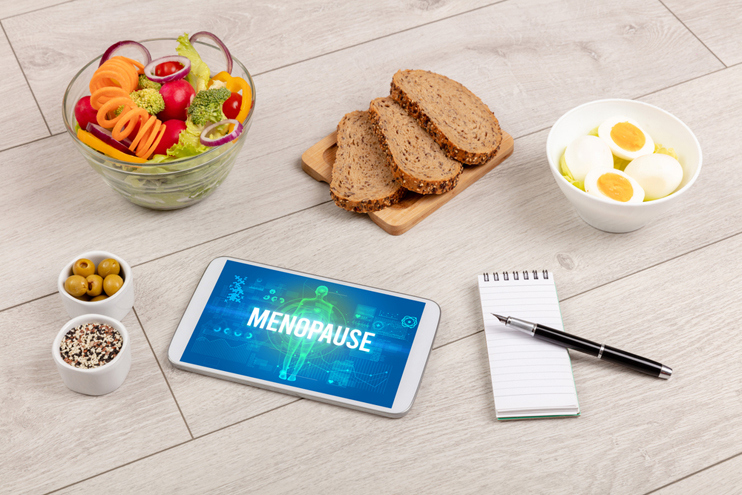
Menopause is a natural stage in every woman’s life, typically occurring around age 50, marking the end of menstruation and fertility. While it is a normal biological process, it brings about significant changes in a woman's body, particularly in relation to bone health. The hormonal changes associated with menopause—especially the decline in estrogen—can have a lasting impact on bone density, leading to an increased risk of osteoporosis.
Osteoporosis is a condition where bones become weak and brittle, increasing the risk of fractures. During menopause, estrogen, which helps maintain bone density, decreases, accelerating bone loss. It’s crucial to understand this connection to protect your bones during this stage of life. At Second Spring Women’s Clinic, we provide specialized care to help manage menopause-related issues and protect your bones.
What is Osteoporosis?
Osteoporosis is often referred to as a “silent disease” because it typically progresses without symptoms until a bone fracture occurs. It happens when the body loses too much bone mass or doesn’t make enough bone, resulting in weak bones that are more likely to break.
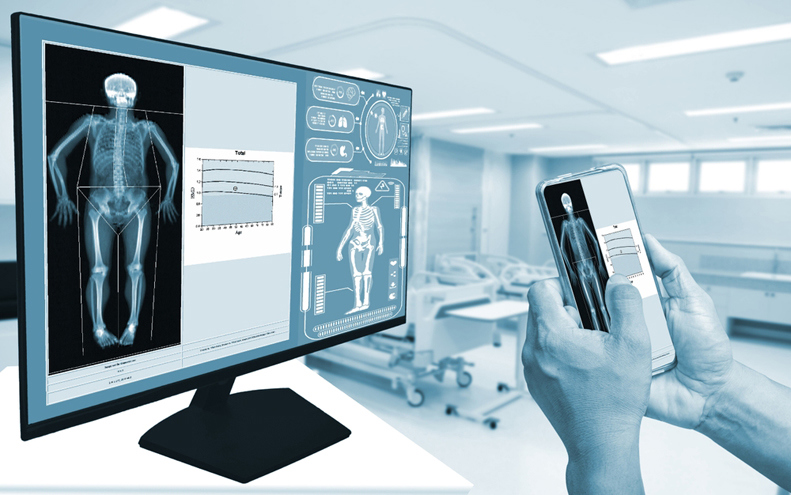
Bone density tests, such as a Bone Mineral Density (BMD) scan, are used to diagnose osteoporosis and determine the strength of your bones. Osteoporosis is more common in postmenopausal women due to hormonal changes, but it can affect both men and women. At Second Spring Women’s Clinic, we utilize advanced diagnostic tools to assess bone health and create personalized treatment plans for osteoporosis prevention.
How Menopause Increases the Risk of Osteoporosis
One of the primary reasons postmenopausal women are at greater risk for osteoporosis is the drop in estrogen levels. Estrogen is vital for maintaining bone density. When estrogen levels decrease, the balance between bone resorption (bone breakdown) and bone formation is disrupted, leading to increased bone loss.
As a result, bones become thinner and more fragile, making fractures more likely. Women who enter menopause early or have lower estrogen levels are particularly vulnerable. Understanding this connection allows women to take steps early to protect their bones. At Second Spring Women’s Clinic, our team is dedicated to offering solutions, including hormone therapy and lifestyle changes, to help manage these risks effectively.
The Role of Estrogen in Bone Health
Estrogen plays a crucial role in bone health by inhibiting bone resorption, a process that breaks down bone tissue. When estrogen levels decrease during menopause, bone resorption accelerates, leading to a decrease in bone density. This imbalance is a significant factor in the development of osteoporosis.
Hormone Replacement Therapy (HRT) can help mitigate this risk by replacing the estrogen lost during menopause. HRT has been shown to slow down bone loss, maintain bone density, and reduce the risk of fractures. However, it is important to consult with a healthcare provider to discuss the potential benefits and risks of HRT. At Second Spring Women’s Clinic, we offer personalized HRT plans to help maintain bone health during menopause.
Osteoporosis Prevention: Key Steps to Protect Your Bones
Preventing osteoporosis is possible, and the key lies in making certain lifestyle adjustments. The earlier you start, the better the chance you have to maintain bone health during and after menopause.
One of the most effective strategies is regular physical activity. Weight-bearing exercises such as walking, running, or strength training can stimulate bone growth and help maintain bone density. These exercises place stress on bones, which encourages them to become stronger over time. In addition to exercise, ensuring an adequate intake of calcium and vitamin D is crucial for bone health. Calcium helps strengthen bones, while vitamin D improves calcium absorption.
At Second Spring Women’s Clinic, we provide personalized fitness plans and nutrition advice to support bone health during menopause. Our approach is designed to help women strengthen their bones and prevent osteoporosis through a holistic combination of exercise, diet, and preventive care.
Diet and Supplements: Nourishing Your Bones
A well-balanced diet is one of the best ways to ensure bone health during menopause. Foods rich in calcium—such as dairy products, leafy greens, and fortified foods—are essential. Calcium helps to maintain bone strength, and it’s especially important during the postmenopausal years when bone loss is more rapid.
Vitamin D is also critical for bone health, as it helps the body absorb calcium. Foods such as fatty fish, egg yolks, and fortified cereals are excellent sources of vitamin D. In addition to a balanced diet, some women may need calcium and vitamin D supplements, particularly if they have dietary restrictions or difficulty absorbing these nutrients.
At Second Spring Women’s Clinic, we emphasize the importance of a nutrient-rich diet and offer advice on supplements that can enhance bone strength. We work with each patient to create a customized nutrition plan that supports long-term bone health.
The Importance of Bone Density Tests
Bone density tests are crucial for detecting osteoporosis early, especially for women undergoing menopause. These tests measure the mineral content of your bones and can help identify whether you are at risk for fractures or already experiencing bone loss.
Bone Mineral Density (BMD) testing is typically recommended for women over the age of 65 or earlier for those with risk factors like a family history of osteoporosis or early menopause. The test is quick and non-invasive, providing valuable information about the health of your bones.
At Second Spring Women’s Clinic, we offer state-of-the-art BMD screening to help diagnose osteoporosis early and develop personalized treatment plans. Early detection is key in managing bone health and preventing fractures later in life.
Hormone Replacement Therapy (HRT) and Bone Health
Hormone Replacement Therapy (HRT) is one of the most effective treatments for preventing bone loss during menopause. Estrogen, the hormone whose levels drop during menopause, plays a significant role in maintaining bone density. When estrogen levels decrease, the body loses bone more quickly.
HRT helps by replacing the estrogen that the body no longer produces, slowing bone loss and helping to maintain bone strength. While HRT is not without risks, including an increased risk of blood clots and breast cancer, its benefits in preventing osteoporosis are well-documented. However, HRT should be tailored to each individual based on health history and personal risk factors.
At Second Spring Women’s Clinic, we specialize in offering HRT in a safe, controlled environment. Our team works closely with each patient to determine the best approach to managing menopause and protecting bone health through HRT.
Exercise: The Key to Strong Bones During Menopause
Exercise is one of the most effective ways to combat bone loss during menopause. As we age, regular physical activity becomes even more important for maintaining bone density and preventing osteoporosis. Specifically, weight-bearing exercises are critical for building and maintaining strong bones. These include activities like walking, hiking, jogging, dancing, and weightlifting, all of which help to stimulate bone-forming cells and increase bone mass.
Strength training exercises, such as lifting weights or using resistance bands, are also highly beneficial for boosting bone density. These exercises put pressure on bones, which encourages them to rebuild and strengthen over time. Furthermore, balance and flexibility exercises, such as yoga or tai chi, are crucial for improving coordination and reducing the risk of falls—another important factor in preventing fractures as we age.
At Second Spring Women’s Clinic, we emphasize the importance of creating a tailored exercise plan that works with your unique health profile. Whether you're a beginner or someone who has been active for years, our team can guide you through an exercise regimen that will keep your bones strong and your body agile, helping you protect your bone health during and after menopause.
Risk Factors and When to Seek Medical Help
While menopause itself is a primary risk factor for osteoporosis, other factors can increase your risk for bone loss. Some of the key risk factors include a family history of osteoporosis, low body weight, smoking, excessive alcohol consumption, and a sedentary lifestyle. Additionally, women who experience early menopause or who have undergone a hysterectomy with ovarian removal are at an increased risk for developing osteoporosis sooner.
It’s essential to be proactive about bone health and seek medical advice if you have any of these risk factors. Common signs of osteoporosis include back pain, a loss of height, or easily fractured bones, even with minimal trauma. Women who are experiencing menopausal symptoms, especially those in their 40s and 50s, should be vigilant about their bone health.
At Second Spring Women’s Clinic, we offer comprehensive bone health assessments and personalized consultations to help women manage osteoporosis risk. If you notice any symptoms or if you're concerned about your bone health, our team is ready to help you navigate the next steps in protecting your bones.
Case Studies: Real-Life Stories of Managing Osteoporosis After Menopause
Real-life success stories often provide the most encouragement and insight when managing a condition like osteoporosis. Many women are able to successfully prevent or manage osteoporosis through a combination of lifestyle changes, early intervention, and the right treatments.
For example, one of our patients, Sarah, came to Second Spring Women’s Clinic after noticing back pain and a decrease in height during her early 50s. After a thorough evaluation, we recommended a combination of weight-bearing exercises, a diet rich in calcium and vitamin D, and HRT to help slow down bone loss. Regular bone density screenings allowed us to monitor her progress closely. Within a few months, Sarah felt more energetic, and her back pain decreased significantly. Through this holistic approach, Sarah was able to avoid fractures and maintain a healthy, active lifestyle.
At Second Spring Women’s Clinic, we believe in tailoring our approach to meet the specific needs of each patient. Through personalized care and the use of advanced treatments and therapies, we empower women to take charge of their bone health during and after menopause.
Managing Osteoporosis with Medication
For many women, lifestyle changes such as diet and exercise aren’t enough to prevent or treat osteoporosis. In such cases, medication may be necessary to slow down or stop bone loss. There are several classes of medications used to treat osteoporosis, including bisphosphonates, selective estrogen receptor modulators (SERMs), and biologics.

Bisphosphonates, such as alendronate and risedronate, are the most commonly prescribed medications for osteoporosis. They work by slowing down the cells that break down bone, thus helping to maintain bone mass. SERMs, like raloxifene, mimic the effects of estrogen on bones and can help reduce the risk of fractures in postmenopausal women. For women with severe osteoporosis, biologics like denosumab can help improve bone density and reduce the risk of fractures.
In addition to these medications, Second Spring Women’s Clinic offers a comprehensive treatment plan that may include monitoring bone density regularly, prescribing medications when necessary, and providing ongoing support. We work closely with our patients to ensure they understand their treatment options and feel empowered in their decision-making process. With the right combination of medication, diet, exercise, and medical supervision, osteoporosis can be effectively managed.
The Role of Stress Reduction in Bone Health
Managing stress is an often overlooked but essential part of maintaining overall health, including bone health. Chronic stress can lead to an increase in cortisol levels, a hormone that, when elevated over long periods, can contribute to bone loss. High cortisol levels may interfere with the body’s ability to absorb calcium, further weakening bones and increasing the risk of osteoporosis.
In addition to its physical effects, stress can also negatively impact mental health, leading to poor sleep, decreased energy, and a lack of motivation for exercise. This, in turn, can reduce a woman’s ability to maintain bone-strengthening routines.
To combat these effects, stress reduction techniques like yoga, meditation, and deep breathing exercises are highly recommended. Regular practice of these techniques not only helps lower cortisol levels but also improves overall well-being, which can contribute to stronger bones.
At Second Spring Women’s Clinic, we emphasize the importance of a holistic approach to menopause care, which includes stress management. We offer guidance on incorporating relaxation techniques into daily routines and can connect patients with resources to help reduce stress and its impact on bone health. A balanced approach to physical and mental health ensures a better quality of life and helps preserve bone strength during menopause.
Conclusion
As menopause approaches, it’s important to be proactive about bone health. The hormonal changes that occur during this time, particularly the drop in estrogen, can significantly affect bone density and increase the risk of osteoporosis. However, through early intervention, lifestyle modifications, and medical support, women can protect their bones and maintain a high quality of life throughout menopause and beyond.
Maintaining bone health requires a comprehensive approach that includes regular exercise, a balanced diet rich in calcium and vitamin D, stress management, and, in some cases, medication. Hormone Replacement Therapy (HRT) is another option for women who need extra support in maintaining bone density.
At Second Spring Women’s Clinic, we provide a wide range of personalized services to help women navigate menopause safely and effectively. From hormone therapy to nutrition and exercise plans, our expert team is dedicated to empowering women to take control of their bone health. With the right tools and support, you can protect your bones and live a healthy, active life, no matter your age.
Remember, osteoporosis is preventable, and the steps you take today can lead to stronger bones tomorrow. If you’re concerned about your bone health or are experiencing menopause symptoms, don’t hesitate to contact Second Spring Women’s Clinic. Our team is here to guide you every step of the way.