Women's Healthcare Guided by an Experienced OB/GYN Specialist in Seoul
en-US
The Role of Progesterone in Preventing Miscarriage
Discover how progesterone plays a vital role in preventing miscarriage by supporting pregnancy health and reducing early pregnancy risks effectively.

Introduction to Progesterone and Its Importance in Pregnancy
Pregnancy is an incredible journey that depends on a delicate balance of hormones to ensure the baby’s healthy development. One of the most important hormones in early pregnancy is progesterone. Often called the “pregnancy hormone,” progesterone plays a vital role in preparing the body to support and nurture a growing embryo.

Produced mainly by the ovaries and later by the placenta, progesterone’s primary function is to prepare the lining of the uterus (the endometrium) to receive and sustain the fertilized egg. It thickens this lining, creating a nourishing environment where the embryo can implant securely and grow. Without sufficient progesterone, the uterus may not be ready to support pregnancy, which can lead to complications such as miscarriage.
For many women, progesterone is the hormone that quietly works behind the scenes to keep their pregnancy safe and stable, especially during those critical early weeks when the risk of miscarriage is highest.
Understanding Miscarriage: Causes and Risk Factors
A miscarriage, also known as spontaneous abortion, is the loss of a pregnancy before 20 weeks. Unfortunately, it is more common than many realize, affecting about 10-20% of known pregnancies worldwide. Experiencing a miscarriage can be emotionally devastating, and understanding why it happens can help women feel more empowered and hopeful.
There are many reasons a miscarriage can occur. Some of the most common causes include chromosomal abnormalities in the embryo, infections, structural problems with the uterus, or lifestyle factors like smoking and excessive stress. However, one significant and often overlooked cause is hormonal imbalance, particularly a deficiency in progesterone.
Women with low progesterone levels may face difficulties maintaining the uterine lining, which is essential for the embryo’s attachment and nourishment. This hormonal shortfall can increase the risk of miscarriage, especially in women who experience recurrent pregnancy loss—defined as two or more consecutive miscarriages.
Identifying these risks early can be life-changing, as it opens the door to treatments like progesterone supplementation that can support a healthy pregnancy.
The Role of Progesterone in Preventing Miscarriage
Progesterone’s role in preventing miscarriage is central and well-documented. The hormone essentially acts as a “pregnancy protector,” performing several critical functions:
Maintaining the uterine lining: Progesterone ensures the endometrium remains thick and nutrient-rich, preventing it from shedding prematurely. Without this support, the embryo cannot properly implant or receive the nourishment it needs.
Calming uterine muscles: Progesterone reduces the likelihood of uterine contractions that could dislodge the embryo, helping maintain a stable environment for fetal development.
Supporting immune tolerance: During pregnancy, progesterone helps the mother’s immune system tolerate the fetus, which is genetically different. This prevents the immune system from attacking the developing embryo.
When progesterone levels are inadequate, these protective effects weaken, making miscarriage more likely. That’s why progesterone deficiency is a significant concern in early pregnancy and a key focus for preventing pregnancy loss.
Diagnosing Progesterone Deficiency and Luteal Phase Defect
A common underlying cause of low progesterone is a condition known as luteal phase defect. This occurs when the luteal phase—the time between ovulation and the start of menstruation—is shorter than normal or produces insufficient progesterone. In this scenario, the uterine lining doesn’t develop properly, making it difficult for the embryo to implant or stay securely attached.
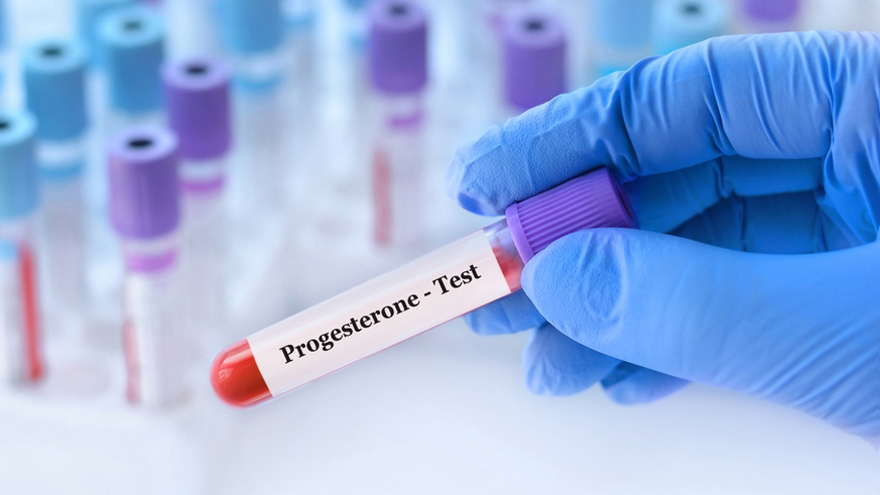
Diagnosing progesterone deficiency involves a combination of clinical evaluation and laboratory testing. Blood tests measuring serum progesterone levels during the early luteal phase or early pregnancy are standard methods. Additionally, doctors assess symptoms such as spotting, cramping, or a history of recurrent miscarriages.
Early and accurate diagnosis is crucial because timely progesterone supplementation can dramatically improve pregnancy outcomes. At Second Spring Women’s Clinic, patients undergo thorough hormonal assessments to identify any imbalances. The clinic’s advanced diagnostic tools and personalized approach ensure that progesterone deficiency is detected early, allowing for effective treatment plans tailored to each woman’s unique needs.
Types of Progesterone Therapy for Miscarriage Prevention
Once progesterone deficiency is diagnosed, hormone therapy becomes a key part of preventing miscarriage. Progesterone supplementation comes in several forms, each designed to boost hormone levels and support pregnancy safely.
Vaginal progesterone suppositories or gels are commonly prescribed because they deliver the hormone directly to the uterus, where it’s needed most. This method often results in fewer side effects and higher local hormone levels.
Oral progesterone pills are convenient but may have lower absorption rates and sometimes more systemic side effects like drowsiness or dizziness.
Injectable progesterone provides high doses of the hormone directly into the muscle and is often used in assisted reproductive technology (ART) protocols, such as IVF.
Choosing the right form depends on factors like the severity of the deficiency, patient preference, and medical history. At Second Spring Women’s Clinic, the medical team carefully evaluates these factors to recommend the most effective and comfortable therapy option for each patient.
When and How to Start Progesterone Therapy
Timing is critical for progesterone therapy to be effective. Typically, treatment starts as soon as a pregnancy is confirmed, especially for women with a history of miscarriage or diagnosed hormonal imbalances. In fertility treatments like IVF, progesterone support often begins right after embryo transfer.
The dosage varies based on the patient’s condition and the route of administration. Vaginal suppositories might be prescribed two to three times daily, while injectable forms could be administered weekly. Continuous monitoring through follow-up blood tests helps ensure that progesterone levels stay within the ideal range.
Patients at Second Spring Women’s Clinic receive personalized guidance on when to start treatment and how to adhere to their regimen, maximizing the chance of a successful pregnancy.
Effectiveness of Progesterone Treatment in Recurrent Pregnancy Loss
Numerous clinical studies confirm that progesterone therapy can significantly reduce miscarriage risk, particularly for women with recurrent pregnancy loss due to luteal phase defects or low progesterone. For example, a landmark study published in the New England Journal of Medicine showed that vaginal progesterone reduced the rate of preterm birth and miscarriage in high-risk pregnancies.
While progesterone therapy isn’t a guarantee against miscarriage, its benefits are clear for many women facing hormonal challenges. Success stories abound, with patients reporting healthy pregnancies and babies after receiving proper progesterone support.
At Second Spring Women’s Clinic, patients have access to cutting-edge hormone therapies backed by the latest research and clinical expertise, increasing their odds of carrying a pregnancy to term.
Safety and Side Effects of Progesterone Therapy
Progesterone therapy is generally very safe for both mother and baby. Because progesterone is a naturally occurring hormone, the body typically tolerates supplementation well. However, some patients may experience mild side effects, including:
Fatigue or drowsiness (more common with oral or injectable forms)
Breast tenderness
Mild nausea or bloating
Local irritation when using vaginal suppositories
More serious side effects are rare but should be reported to a healthcare provider immediately. Importantly, progesterone therapy does not increase the risk of birth defects or pregnancy complications when used appropriately.
Healthcare providers at Second Spring Women’s Clinic carefully monitor patients throughout treatment, ensuring side effects are managed effectively and patients feel supported every step of the way.
Natural Ways to Support Progesterone Levels During Pregnancy
While medical progesterone supplementation is vital for many women at risk of miscarriage, there are natural lifestyle habits that can support healthy progesterone levels. These include:
Balanced nutrition: Consuming foods rich in vitamins B6, C, zinc, and magnesium can promote hormone balance. Examples include leafy greens, nuts, seeds, and lean proteins.
Stress management: Chronic stress can disrupt hormone production. Techniques like meditation, gentle yoga, and adequate rest can help maintain hormonal harmony.
Maintaining a healthy weight: Both underweight and overweight conditions can affect progesterone production. A stable, healthy weight supports overall hormonal health.
Avoiding harmful substances: Limiting caffeine, alcohol, and tobacco is essential, as these can negatively impact progesterone levels and pregnancy outcomes.
It’s important to remember that natural methods should complement—not replace—medical treatment when progesterone deficiency is diagnosed. At Second Spring Women’s Clinic, patients receive guidance on holistic care that works alongside hormone therapy for optimal results.
Progesterone Use After Assisted Reproductive Technologies (ART)
For many women undergoing assisted reproductive technologies such as IVF, progesterone support is a cornerstone of successful treatment. After embryo transfer, the body may not produce enough progesterone naturally, so supplementation helps create the ideal uterine environment.
Protocols often involve injectable or vaginal progesterone starting shortly after transfer and continuing until the placenta takes over hormone production around 10-12 weeks of pregnancy. This hormone support can be the difference between pregnancy success and early loss in IVF cycles.
At Second Spring Women’s Clinic, advanced ART services include expert hormonal management, ensuring patients receive personalized progesterone therapy tailored to their treatment plan and reproductive goals.
Clinical Guidelines and Recommendations for Progesterone in Miscarriage Prevention
Leading medical organizations such as the American College of Obstetricians and Gynecologists (ACOG) and the European Society of Human Reproduction and Embryology (ESHRE) have established guidelines on progesterone use in pregnancy. These guidelines recommend progesterone therapy primarily for women with a history of recurrent miscarriage linked to low progesterone or luteal phase defects.

The consensus is that progesterone should be started early in pregnancy for maximum effectiveness and continued through the first trimester or longer if necessary. However, routine use in all pregnancies is not recommended, underscoring the need for proper diagnosis and individualized care.
The team at Second Spring Women’s Clinic adheres strictly to these evidence-based guidelines, combining scientific rigor with personalized treatment to ensure each patient receives the safest and most effective care possible.
Why Choose Second Spring Women’s Clinic for Progesterone Therapy
When it comes to managing progesterone levels and preventing miscarriage, expertise and individualized care matter immensely. Located in the heart of Gangnam, Seoul, Second Spring Women’s Clinic is a premier destination for women seeking advanced reproductive health treatments.
Led by Dr. Seon-Hwa Jeong, a renowned specialist in obstetrics and gynecology, the clinic offers state-of-the-art diagnostic testing, including detailed hormonal panels to identify progesterone deficiencies accurately. The team’s extensive experience with hormone therapies and pregnancy care means that each patient receives a customized treatment plan tailored to her unique hormonal profile and medical history.
Moreover, Second Spring Women’s Clinic combines cutting-edge medical technology with compassionate care, providing patients not only with effective treatments but also with the emotional support and education needed during this sensitive time. Whether you are dealing with recurrent miscarriage, preparing for IVF, or seeking reassurance in early pregnancy, the clinic stands out as a trusted partner dedicated to helping women achieve healthy, successful pregnancies.
Patient Experience and Follow-Up Care at Second Spring Women’s Clinic
At Second Spring Women’s Clinic, patient care extends well beyond diagnosis and treatment. Understanding that miscarriage prevention involves both physical and emotional well-being, the clinic offers comprehensive follow-up care designed to support women throughout their pregnancy journey.
Patients receive regular monitoring of progesterone levels and pregnancy progress through blood tests and ultrasound evaluations. This allows the medical team to adjust hormone therapy as needed, ensuring the best possible outcomes. Additionally, the clinic prioritizes open communication, encouraging patients to share any concerns or side effects they experience.
Beyond medical treatment, the clinic provides emotional support and education to help women feel confident and informed. From one-on-one counseling to support groups, Second Spring Women’s Clinic is committed to fostering a compassionate environment where every patient feels heard and cared for.
Addressing Frequently Asked Questions About Progesterone and Miscarriage
Many women have questions about progesterone therapy and its role in miscarriage prevention. Here are answers to some of the most common concerns:
Is progesterone therapy safe during pregnancy? Yes. Progesterone is a natural hormone, and when prescribed correctly, it is safe for both mother and baby.
How long will I need to take progesterone? Typically, therapy continues through the first trimester, around 10-12 weeks, until the placenta produces sufficient progesterone.
Can I take natural supplements instead of progesterone therapy? Natural methods can support hormone health but should not replace prescribed progesterone if deficiency is diagnosed.
Are there side effects? Mild side effects like fatigue or breast tenderness are common but manageable.
Does progesterone guarantee no miscarriage? While it significantly reduces risk in certain cases, progesterone therapy cannot guarantee pregnancy success.
At Second Spring Women’s Clinic, patients receive thorough answers and tailored advice to help them feel comfortable and empowered about their treatment choices.
Conclusion: The Vital Role of Progesterone and Expert Care in Preventing Miscarriage
Progesterone plays an essential role in sustaining early pregnancy by supporting the uterine lining, preventing contractions, and promoting immune tolerance. For women at risk of miscarriage, especially those with recurrent pregnancy loss or diagnosed progesterone deficiency, hormone therapy can be life-changing.
Choosing the right healthcare provider is equally important. Second Spring Women’s Clinic combines advanced medical technology, expert knowledge, and compassionate care to provide personalized progesterone therapy that maximizes the chances of a healthy pregnancy.
If you are concerned about miscarriage or have experienced pregnancy loss, don’t hesitate to seek professional evaluation. With the right support and treatment from trusted experts like those at Second Spring Women’s Clinic, many women go on to enjoy successful, joyful pregnancies.