Women's Healthcare Guided by an Experienced OB/GYN Specialist in Seoul
en-US
Understanding Chemical Pregnancy: Causes & Recovery
Understand chemical pregnancy, its causes, symptoms, and recovery process. Get expert insights to support your emotional and physical healing—learn more now.
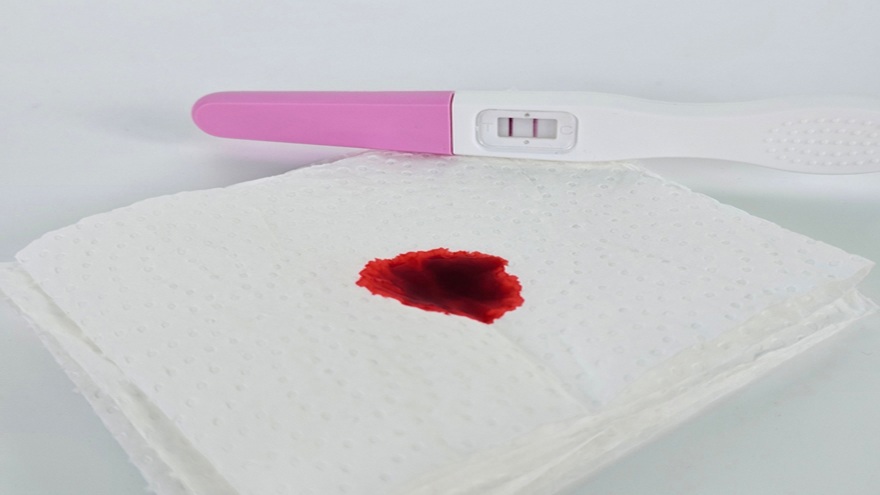
Understanding Chemical Pregnancy: Causes & Recovery
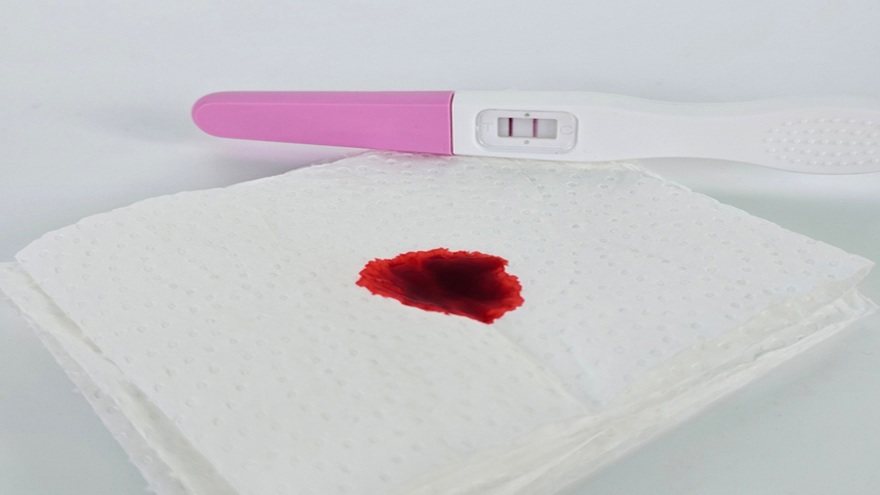
A chemical pregnancy is a term that may sound clinical, but for many women, it represents the loss of something deeply personal—the hope and excitement of early motherhood. At Second Spring Women’s Clinic, we understand the sensitivity of this experience and are committed to offering comprehensive, compassionate care. With advanced diagnostics and personalized support, our goal is to help women understand what happened, heal from the experience, and prepare for a successful future pregnancy.
What Is a Chemical Pregnancy?
A chemical pregnancy is a very early miscarriage that occurs within the first five weeks of gestation. It is termed "chemical" because the pregnancy is only detectable through biochemical means—specifically, a positive result on a pregnancy test that detects elevated levels of human chorionic gonadotropin (hCG) in the blood or urine. Unlike other early pregnancies, a chemical pregnancy does not progress far enough for a gestational sac to be seen on an ultrasound.
In essence, fertilization and implantation occur, and hCG begins to rise, but the embryo fails to develop or implant successfully in the uterus. Because this happens so early, many women may not even realize they were briefly pregnant, especially if they were not testing early.
How Common Are Chemical Pregnancies?
Chemical pregnancies are surprisingly common, particularly in the era of ultra-sensitive early-detection pregnancy tests. Research suggests that up to 50-70% of all conceptions end in early miscarriage, many of which are chemical pregnancies. Before the widespread use of home pregnancy tests, many of these pregnancies went unnoticed and were simply mistaken for a delayed or heavier-than-normal period.
Understanding that chemical pregnancies are common does not diminish the emotional impact they can have. Recognizing the loss and processing it is a crucial part of healing.
Causes of Chemical Pregnancy
In most cases, chemical pregnancies are caused by chromosomal abnormalities in the embryo. These abnormalities prevent the embryo from developing normally and continuing to grow. Chromosomal issues usually occur randomly during fertilization and are not typically related to the parents' genetic material.
However, other factors can also play a role:
Hormonal imbalances – Insufficient levels of progesterone, a hormone necessary to support early pregnancy, can lead to failed implantation.
Uterine abnormalities – Polyps, fibroids, or a septate uterus can interfere with implantation.
Thyroid dysfunction – Both hypothyroidism and hyperthyroidism can disrupt reproductive hormones.
Uncontrolled diabetes – Poor blood sugar control can affect embryo development.
Autoimmune disorders – Conditions like lupus or antiphospholipid syndrome may contribute to early pregnancy loss.
Infections – Certain infections, though rare, can impact early pregnancy.
At Second Spring Women’s Clinic, Dr. Seon-Hwa Jeong and her team use state-of-the-art diagnostic tools to investigate possible causes of early pregnancy loss, especially if a patient has experienced multiple chemical pregnancies.
Recognizing the Symptoms
Since a chemical pregnancy occurs so early, it can be difficult to recognize. Symptoms are often mistaken for a slightly late or heavier menstrual period. However, women who are actively trying to conceive and test early may notice:
A positive pregnancy test that becomes negative within a few days
Mild abdominal cramping
Vaginal bleeding that is slightly heavier or more painful than a normal period
A sudden drop in hCG levels when monitored through blood tests
In most cases, chemical pregnancies resolve naturally without the need for medical intervention. However, it is important to rule out ectopic pregnancy, a more serious condition where a fertilized egg implants outside the uterus. An ultrasound and follow-up hCG testing can confirm whether the pregnancy was chemical or ectopic.
The Emotional Toll of a Chemical Pregnancy
Although it is medically classified as a very early miscarriage, the emotional pain of a chemical pregnancy can be significant. For many women, the confirmation of pregnancy—even briefly—creates hopes and dreams for the future. The sudden loss, even if the pregnancy was just a few days or weeks along, can bring intense feelings of:
Grief and sadness
Shock or disbelief
Self-blame or guilt, though it's not your fault
Anxiety about future pregnancies
At Second Spring Women’s Clinic, we prioritize emotional wellness as part of recovery. We encourage our patients to acknowledge their feelings, take the time they need to grieve, and seek support through counseling or support groups if necessary.
Physical Recovery and When to Try Again

One of the few silver linings of a chemical pregnancy is that the body typically recovers quickly. Since the loss occurs so early, there is often no need for medical treatment such as dilation and curettage (D&C). Most women will:
Resume their menstrual cycle within 4 to 6 weeks
Ovulate as normal during the next cycle
Be physically ready to conceive again shortly afterward
Is it safe to try again right away?
In most cases, yes. There is no medical reason to delay trying again after a chemical pregnancy unless your doctor recommends it due to an underlying condition. However, some women choose to wait one or more cycles for emotional reasons.
Dr. Jeong offers individualized guidance to help patients decide when they are physically and emotionally ready to try again.
When Should You Seek Further Testing?
A single chemical pregnancy is usually not a cause for concern. However, if you have experienced two or more early losses, further evaluation is recommended. At Second Spring, we offer a full suite of diagnostic options to uncover any potential underlying causes, including:
Hormonal Testing
Progesterone
Estrogen
Thyroid hormones (TSH, T3, T4)
Prolactin
Uterine Imaging
Transvaginal ultrasound
Sonohysterography
Hysteroscopy
Genetic and Immunological Testing
Karyotyping for both partners
Antiphospholipid antibody panel
Blood clotting factors (e.g., Factor V Leiden)
Lifestyle and Metabolic Testing
Blood sugar and insulin levels
Body mass index (BMI)
These evaluations allow our medical team to provide a personalized plan to support your reproductive health.
Improving Your Chances of a Successful Pregnancy
After a chemical pregnancy, you may feel anxious about trying again. That is completely normal. The good news is that many women go on to have healthy, full-term pregnancies with no intervention. However, optimizing your health can increase your chances of success.
1. Focus on Preconception Health
Take prenatal vitamins with at least 400-800 mcg of folic acid daily
Eat a balanced diet rich in whole foods, lean proteins, and healthy fats
Avoid smoking, alcohol, and excessive caffeine
Maintain a healthy weight and manage chronic conditions like diabetes
2. Support Hormonal Balance
Hormonal imbalances, especially low progesterone, can contribute to early pregnancy loss. Dr. Jeong may recommend hormonal support such as:
Progesterone supplementation in the luteal phase or early pregnancy
Thyroid hormone regulation if needed
3. Manage Stress and Emotional Health
Chronic stress can affect fertility by disrupting hormonal balance. Techniques to manage stress include:
Yoga or gentle exercise
Meditation and breathing techniques
Professional counseling or therapy
4. Consider Fertility Support Options
If you are older or have a history of recurrent chemical pregnancies, fertility treatments may help. At Second Spring, we offer:
Ovulation induction or monitoring
Intrauterine insemination (IUI)
In-vitro fertilization (IVF) if appropriate
Egg freezing and ovarian reserve testing for women planning ahead
Your Journey, Your Pace
It’s important to remember that everyone's fertility journey is different. A chemical pregnancy, while painful, is also a sign that conception is possible. It can be a first step toward a healthy pregnancy in the future.
At Second Spring Women’s Clinic, we walk alongside you through every stage—from loss to hope, from questions to answers. Our clinic is designed to offer more than treatment; we provide understanding, reassurance, and the highest level of care in a respectful, private environment.
Whether you’re ready to try again or simply want to understand what happened, we’re here to listen and help you take the next step with confidence.
Second Spring Women’s Clinic
Advanced OB-GYN and fertility care in Gangnam, Seoul
Multilingual support in Korean and English
Compassionate consultations | Expert diagnostics | Personalized fertility solutions
Book your consultation today and let us support you on your path to healing and hope.