Women's Healthcare Guided by an Experienced OB/GYN Specialist in Seoul
en-US
Uterine Fibroid Treatment: Surgical and Non-Surgical Options
Explore effective uterine fibroid treatments, from surgical to non-surgical options. Understand your choices and find the best solution for your health. Learn more!

Introduction: What Are Uterine Fibroids?
Uterine fibroids, medically known as leiomyomas or myomas, are benign (non-cancerous) tumors that develop from the muscular tissue of the uterus. These growths can vary dramatically in size—from tiny seedlings that are barely detectable to large masses that can distort and enlarge the uterus. Fibroids may be single or multiple, and their growth is generally linked to a woman’s reproductive hormones, particularly estrogen and progesterone.
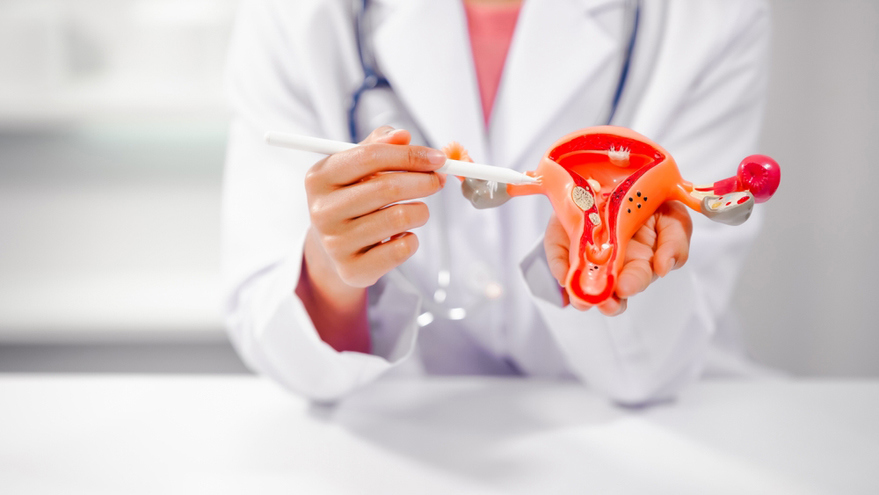
Fibroids are extremely common, with studies suggesting that up to 70-80% of women will develop them by the age of 50. However, not all fibroids cause symptoms. For those who do experience symptoms, they can be life-disrupting and emotionally distressing, especially if fertility is affected.
Types of Fibroids
Understanding the location of fibroids helps determine the best treatment approach. Fibroids are generally classified into:
Intramural Fibroids: Located within the muscular wall of the uterus. These are the most common type.
Submucosal Fibroids: Develop just underneath the uterine lining and can protrude into the uterine cavity. They often cause heavy bleeding and fertility issues.
Subserosal Fibroids: Grow on the outer wall of the uterus and can press against surrounding organs.
Pedunculated Fibroids: Attached to the uterus by a stalk-like structure and can be either subserosal or submucosal.
Common Symptoms of Uterine Fibroids
While some fibroids are asymptomatic, others can lead to a variety of distressing symptoms, including:
Heavy, prolonged, or painful menstrual periods
Pelvic pain or pressure
Abdominal bloating or a feeling of fullness
Frequent urination or difficulty emptying the bladder
Constipation
Pain during intercourse (dyspareunia)
Lower back or leg pain
Fertility issues, recurrent miscarriages, or complications during pregnancy

These symptoms may mimic other gynecological conditions, which is why accurate diagnosis and individualized evaluation are essential.
Diagnosis at Second Spring Women’s Clinic
At Second Spring Women’s Clinic in Gangnam, Seoul, we begin with a comprehensive evaluation that includes:
Detailed medical history and symptom review
Pelvic examination
Ultrasound (2D and 3D imaging)
Magnetic Resonance Imaging (MRI), if needed, to map fibroid size and location
Hysteroscopy or Sonohysterography for evaluating submucosal fibroids
We focus on accurate, non-invasive diagnostics to create a customized treatment plan that fits your lifestyle, symptoms, and future fertility plans.
Non-Surgical Treatment Options for Uterine Fibroids
Non-surgical treatments are typically preferred for women with mild to moderate symptoms, those desiring future fertility, or who wish to avoid surgery. At Second Spring, we explore every non-invasive avenue before recommending surgical intervention.
1. Medication Therapy
Medication does not eliminate fibroids but can manage symptoms and, in some cases, shrink the fibroids temporarily.
a) Hormonal Treatments
Combined Oral Contraceptives: Help regulate heavy bleeding but have limited effect on fibroid size.
Levonorgestrel-Releasing IUD (LNG-IUS): Reduces bleeding and pain, ideal for women not trying to conceive.
Gonadotropin-Releasing Hormone (GnRH) Agonists: Create a temporary menopausal state, significantly shrinking fibroids. Often used as a pre-surgical preparation.
Selective Progesterone Receptor Modulators (SPRMs): Balance estrogen effects and reduce bleeding.
b) Non-Hormonal Medications
NSAIDs: Relieve pain and reduce inflammation.
Tranexamic Acid: Helps control menstrual bleeding.
2. High-Intensity Focused Ultrasound (HIFU)
HIFU is an advanced, non-invasive treatment that uses focused ultrasound energy to thermally ablate (destroy) fibroid tissue. Guided by real-time imaging, HIFU offers a scar-free option with minimal downtime.
Benefits:
No incisions or anesthesia
Quick recovery
Retains uterus and fertility
Limitations:
Not suitable for all fibroid types
May require follow-up treatment if fibroids recur
3. Uterine Artery Embolization (UAE)
Performed by an interventional radiologist, UAE involves injecting particles into uterine arteries to block blood flow to fibroids, causing them to shrink.
Pros:
Minimally invasive
Effective for controlling bleeding and reducing bulk symptoms
Cons:
Fertility may be compromised
Post-procedure cramping and pain are common
Surgical Treatment Options at Second Spring
Surgery is recommended for women who:
Experience severe or persistent symptoms
Have large or rapidly growing fibroids
Are seeking to improve fertility and other treatments have failed
Have fibroids not amenable to non-surgical treatment
Our clinic is renowned for minimally invasive gynecological surgery, with a strong focus on uterine preservation and fast recovery.
1. Myomectomy
Myomectomy is the surgical removal of fibroids while preserving the uterus. It is the treatment of choice for women who wish to become pregnant in the future.
Approaches:
Laparoscopic Myomectomy: Small incisions, faster recovery, minimal scarring
Robotic Myomectomy: Greater precision and control
Hysteroscopic Myomectomy: For fibroids within the uterine cavity, accessed through the cervix
Benefits:
Retains fertility
Symptom relief
Lower recurrence with proper removal
2. Hysterectomy
Hysterectomy is the complete removal of the uterus, offering a permanent cure for fibroids. This option is best for women who no longer desire fertility and have significant symptoms.
Types:
Total Hysterectomy: Removes uterus and cervix
Subtotal Hysterectomy: Removes uterus, keeps cervix intact
Minimally Invasive Hysterectomy: Laparoscopic or robotic for reduced recovery time
Considerations:
Permanent infertility
Hormonal changes depending on ovary removal
Emotional and psychological readiness
Advanced Surgical Techniques at Second Spring
We integrate 3D imaging and laser-guided precision into our surgical treatments to:
Reduce operative time
Minimize bleeding
Avoid damage to healthy tissue
Promote faster healing and improved outcomes
Dr. Seon-Hwa Jeong, our lead OB-GYN, brings extensive experience in complex fibroid surgeries, fertility preservation, and vaginal rejuvenation procedures, ensuring that every patient receives individualized, expert care.
Why Choose Second Spring Women’s Clinic?

Expertise in fertility-preserving treatments
Minimally invasive surgical options
Personalized treatment planning
Advanced diagnostics and 3D surgical guidance
Compassionate, one-on-one care in Korean and English
Post-treatment follow-up for long-term health
Located in Gangnam, Seoul, Second Spring Women’s Clinic offers a warm, discreet, and modern environment where women of all ages receive the care they deserve.
When to See a Doctor?
You should schedule a consultation if you:
Have heavy or painful periods
Experience chronic pelvic pain or pressure
Are struggling to conceive
Feel an abdominal mass or swelling
Are unsure about fibroid diagnosis or previous treatment recommendations
Take the First Step Toward Relief
Fibroids are common, but suffering from them doesn’t have to be. At Second Spring Women’s Clinic, we are here to listen, support, and guide you through every phase of diagnosis, treatment, and recovery.
Book your consultation today and take control of your reproductive health with the care and confidence you deserve.
▪ “Second Spring Women’s Clinic – Where Advanced Women’s Health Meets Compassionate Care.”