Women's Healthcare Guided by an Experienced OB/GYN Specialist in Seoul
en-US
When to Try Again After Miscarriage: Expert Advice
Learn how long to wait to get pregnant after miscarriage. Expert tips on physical recovery, emotional healing, and fertility planning.

How Long to Wait to Get Pregnant After a Miscarriage: What You Need to Know
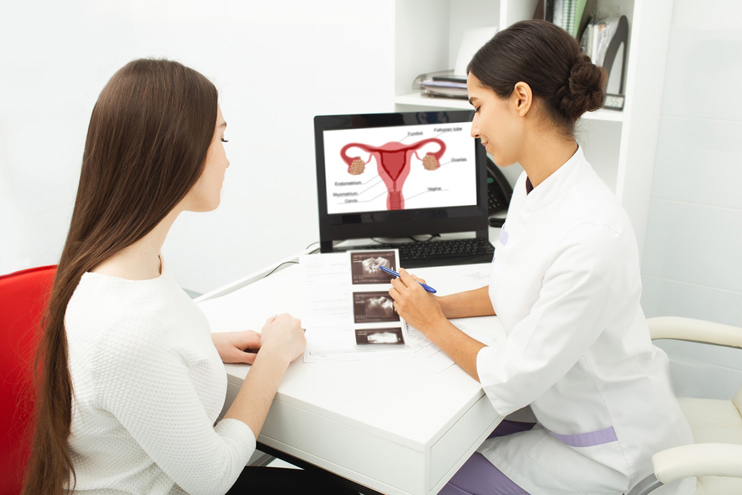
Miscarriage can be an emotionally devastating experience, often bringing with it a wave of physical, psychological, and emotional challenges. Understandably, many women wonder when it’s safe and healthy to try again. While there's no universal answer, certain medical guidelines and personal considerations can help guide the decision.
In this article, we explore how soon you can conceive after a miscarriage, what signs to watch for, and how to support your body and mind through recovery. Insights from Dr. Hannah Ruiz, OB-GYN at Second Spring Women’s Clinic, offer expert guidance to help you make informed choices.
What Happens After a Miscarriage?
A miscarriage typically occurs before 20 weeks of pregnancy and is more common than many people realize. According to the American College of Obstetricians and Gynecologists (ACOG), about 10-20% of known pregnancies end in miscarriage. While it's a heartbreaking event, it usually doesn’t prevent a woman from having a healthy pregnancy in the future.
"Most women who experience miscarriage go on to conceive successfully," says Dr. Ruiz. "But it’s essential to understand the cause and ensure the body has had enough time to recover."
Physically, your body begins healing immediately after a miscarriage. Bleeding may last from a few days to a couple of weeks. Once the bleeding stops, your menstrual cycle typically resumes within 4 to 6 weeks. Emotional healing, however, often takes longer and varies widely from person to person.
Physical Recovery: How Long Should You Wait?
According to Dr. Ruiz, physical recovery from a miscarriage depends on several factors: the gestational age at loss, whether it was a natural miscarriage or required medical intervention, and the presence of any complications such as infections.
"We typically recommend waiting at least one full cycle before trying again,” she explains. "This gives the uterus time to rebuild its lining and allows us to ensure that hormone levels have returned to baseline."
Some studies indicate that women who conceive within six months of a miscarriage have equal or even better outcomes than those who wait longer. However, readiness should be assessed case by case. A personalized care plan, including hormone testing and ultrasound evaluations, can help determine optimal timing.
Emotional Readiness: A Critical Piece
Grief after miscarriage is deeply personal and may not follow a predictable timeline. Feelings of sadness, guilt, anger, and fear are common, and these emotions can linger even as the body recovers.
Trying to conceive again too quickly, without acknowledging and processing these emotions, can amplify anxiety in a subsequent pregnancy. "Mental wellness is just as important as physical health when preparing for pregnancy," Dr. Ruiz emphasizes.
Support groups, therapy, journaling, and open communication with your partner can help process emotions. Second Spring offers integrative counseling services tailored to reproductive loss, helping patients regain confidence in their fertility journey.
When Is It Medically Safe to Conceive Again?

There’s no strict medical rule on how long to wait after a miscarriage, but general guidelines recommend waiting at least one menstrual cycle. In cases involving complications—like molar pregnancies or infections—additional time may be necessary.
Dr. Ruiz encourages a follow-up visit to reassess health markers. "We conduct physical exams, hormone panels, and sometimes genetic screening to determine when it's safe to try again."
Some key assessments include:
hCG monitoring to ensure pregnancy hormones have returned to zero
Thyroid and prolactin levels to assess hormonal balance
Ultrasound imaging to examine uterine lining and structure
Potential Risks of Trying Too Soon
While some women conceive successfully shortly after miscarriage, there are risks to trying again before the body is fully healed. These include:
Higher risk of repeat miscarriage
Incomplete uterine recovery
Hormonal imbalances affecting implantation
Increased emotional stress and anxiety
Emotional risks should not be underestimated. Feeling pressured to conceive again can intensify psychological trauma, making it harder to enjoy or trust a new pregnancy.
Dr. Ruiz stresses that conception should be a shared, deliberate decision: "Pregnancy after loss should be approached with care and patience. We help our patients navigate that transition without pressure."
Steps to Improve Future Pregnancy Outcomes
Once you’ve emotionally and physically recovered, proactive steps can improve your odds of a healthy pregnancy:
1. Nutrition: Eat a fertility-supportive diet rich in whole grains, fruits, vegetables, lean protein, and healthy fats. Folic acid, iron, and omega-3s are especially important.
2. Exercise: Engage in moderate physical activity like walking, yoga, or swimming to enhance circulation and balance stress hormones.
3. Weight management: Maintain a BMI within the recommended range. Both underweight and overweight women may face ovulatory challenges.
4. Manage chronic conditions: Diabetes, PCOS, thyroid disorders, and autoimmune diseases should be well-managed before conception.
5. Minimize toxins: Avoid smoking, excess caffeine, alcohol, and environmental toxins. These can impair egg quality and hormonal balance.
Understanding the Role of Medical Tests

Medical tests are often a key step after miscarriage, especially for women experiencing multiple losses. These tests can uncover underlying causes such as:
Hormonal imbalances (e.g., thyroid, prolactin, insulin resistance)
Uterine anomalies (e.g., fibroids, septate uterus)
Genetic abnormalities (in the embryo or parents)
Immunological or clotting disorders (e.g., antiphospholipid syndrome)
"Knowing the cause helps us tailor a care plan,” says Dr. Ruiz. "Even when no cause is found, the testing process itself can offer reassurance and direction."
Fertility Preservation for Future Planning
Not every woman feels ready to conceive immediately after a miscarriage. For those who need time but want to preserve future fertility, options like egg freezing offer peace of mind.
"Fertility preservation is an empowering choice," Dr. Ruiz explains. "It removes the pressure of a biological clock and allows women to take control of their timeline."
Second Spring offers advanced cryopreservation technology and one-on-one consultations to help patients understand their options.
Age, Fertility, and Recurrent Loss
Fertility declines with age, and women over 35 are more likely to experience both miscarriage and conception challenges. However, age doesn’t define your potential.
“Recurrent pregnancy loss is emotionally exhausting, but it's often treatable,” says Dr. Ruiz. Tests like karyotyping, hysteroscopy, and autoimmune panels may provide answers.
Treatment might involve hormonal support (like progesterone), surgical correction, or lifestyle changes. Second Spring offers tailored treatment plans including low-dose aspirin therapy, luteal phase support, and reproductive endocrinology referrals when necessary.
Supporting Partners Through the Process
While the physical impact of miscarriage primarily affects the woman, emotional pain is often shared. Partners may feel helpless or unsure how to provide support. Grieving together and maintaining open lines of communication can help rebuild emotional intimacy.
Dr. Ruiz encourages couples to attend consultations together: "When both partners are included in the healing process, outcomes improve. We make space for shared emotions and mutual support."
Some clinics, including Second Spring, offer couples therapy sessions or partner-inclusive grief counseling.
Real Stories: Healing After Loss
Rachel, 32, experienced a miscarriage at 10 weeks. "I was devastated and overwhelmed with guilt," she says. "But the support from Dr. Ruiz and the team gave me the space to grieve. I didn’t feel pressured to move on quickly."
Three months later, Rachel returned for a fertility check and was cleared to try again. “Knowing my body had healed and that I was emotionally ready made all the difference. I’m now 18 weeks pregnant and feeling hopeful.”
Stories like Rachel’s underscore the importance of personalized, compassionate care.
Final Thoughts
Healing from a miscarriage is a journey that takes time, care, and support. Whether you're ready to try again soon or need more space, your experience is valid. The best next step is a thoughtful one—guided by your body, your emotions, and the advice of medical professionals.
Second Spring Women’s Clinic offers comprehensive, compassionate care for women at all stages of the fertility journey. From recovery through conception, we’re here to guide and support you every step of the way.