Women's Healthcare Guided by an Experienced OB/GYN Specialist in Seoul
en-US
Why Every Woman Should Have a Regular Pap Smear
Discover why regular pap smears are essential for women's health, helping detect cervical cancer early and prevent serious health issues.
Introduction
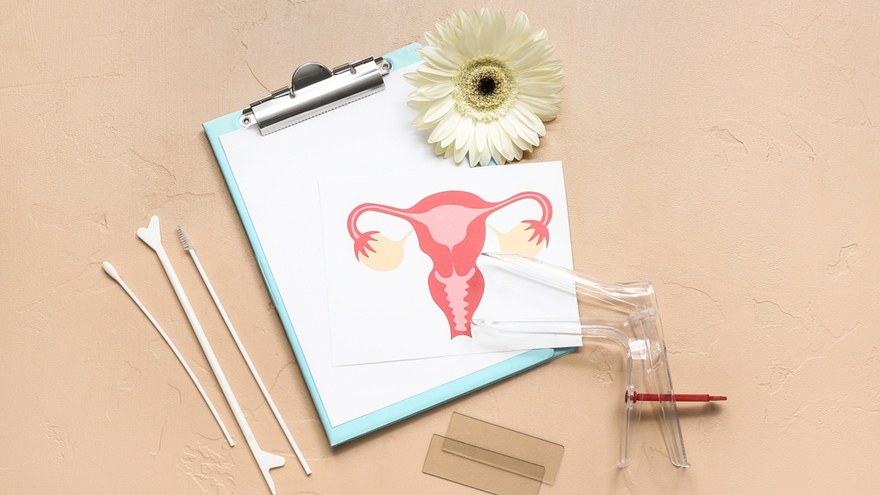
As a cornerstone of women's health, the Pap smear (or Pap test) is a screening procedure designed to detect cervical cancer in its early stages, as well as any abnormal cell changes in the cervix. This relatively simple test has been a game-changer in the prevention and early detection of one of the most common cancers in women—cervical cancer.
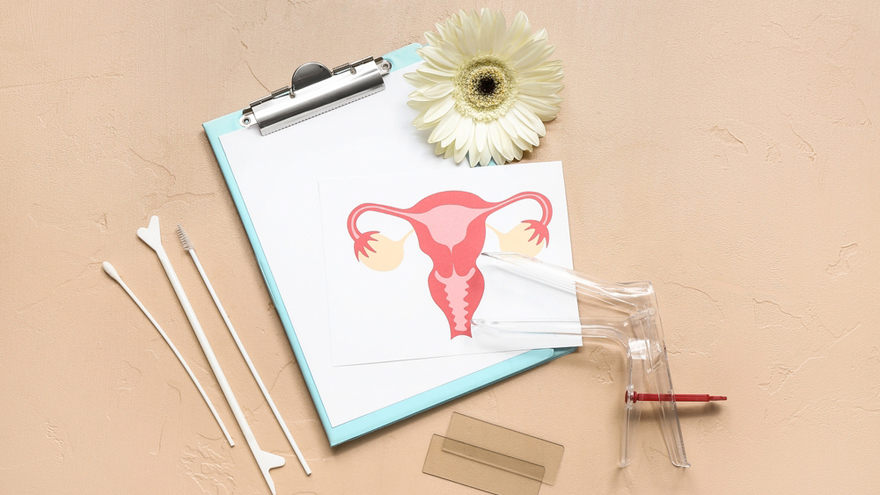
Cervical cancer remains a significant health concern globally, but thanks to routine screenings like the Pap smear, many cases can be detected early when they are most treatable. Early detection saves lives by enabling interventions that can stop the cancer from progressing. Despite this, many women still avoid or delay this essential procedure, making it crucial to understand the importance of regular Pap smears and how they play a role in safeguarding your health.
This article delves into why every woman should have a regular Pap smear, the process involved, and the incredible benefits this test offers in preventing serious health issues.
What is a Pap Smear and How Does it Work?
A Pap smear is a simple, relatively quick procedure performed by a gynecologist to collect cells from the cervix—the lower part of the uterus that connects to the vagina. The purpose of the test is to check for any abnormal cell changes that could lead to cervical cancer if left untreated.
During the procedure, you will lie on an examination table while a speculum is gently inserted into your vagina to allow access to the cervix. Using a small brush or spatula, the healthcare provider collects a sample of cells from the cervix. The sample is then sent to a lab where it is analyzed for any abnormalities, such as precancerous changes or the presence of HPV (Human papillomavirus), which is often linked to cervical cancer.
The test is generally quick and minimally uncomfortable, with most women experiencing only mild discomfort. The sample is examined under a microscope, and the results typically come back in a few weeks. The Pap smear is a routine test performed during a pelvic exam, and it’s recommended as a part of regular gynecological checkups.
The Link Between Pap Smears and Cervical Cancer Prevention
Cervical cancer is one of the most preventable types of cancer, largely due to the effectiveness of Pap smears. This test can detect early changes in cervical cells before they develop into cancer, allowing for early intervention. When abnormal cells are found, further tests such as a colposcopy (a more detailed examination of the cervix) or biopsy may be recommended. These tests help determine if the abnormal cells could lead to cancer, and if necessary, treatments such as cryotherapy (freezing abnormal cells) or LEEP (loop electrosurgical excision procedure) can be performed to remove the affected tissue.
The presence of abnormal cells doesn’t always mean cancer. In fact, most women with abnormal Pap smear results do not have cancer, but they may have other issues like HPV infections or benign (non-cancerous) changes. Regular screening ensures that women can take action before any cells have the chance to develop into something more serious. Without routine screenings, cervical cancer may develop silently without noticeable symptoms until it has reached an advanced, harder-to-treat stage.
Cervical cancer tends to progress slowly, which is why regular Pap smears are such a powerful tool in preventing this disease. By detecting changes at an early stage, the need for invasive treatments can often be avoided, and women’s chances for full recovery are significantly higher.
How Often Should Women Get a Pap Smear?
The frequency of Pap smears varies depending on a woman’s age, sexual history, and health status. In general, most women should begin having Pap smears at age 21, regardless of whether they are sexually active. From ages 21 to 29, it is recommended that women have a Pap smear every three years. After age 30, women who have had three consecutive normal Pap smear results may be able to extend the interval between tests to five years if they also undergo HPV testing. However, if any abnormalities or signs of HPV are detected, more frequent screenings may be necessary.
Women should continue to have regular Pap smears until they reach age 65. After that, most women can stop testing if they have had consistent normal results for the past several years and are not at high risk for cervical cancer. Women who are immunocompromised or have certain risk factors, such as a history of abnormal Pap results or cervical cancer, may need to continue testing beyond age 65.
It’s important to follow the guidelines provided by your healthcare provider, as individual risk factors may dictate a different screening schedule. The best way to determine how often you should get a Pap smear is through an open discussion with your gynecologist, who can personalize a screening plan based on your health history.
The Role of HPV in Cervical Health
Human papillomavirus (HPV) is a group of more than 200 related viruses, and it is one of the leading causes of cervical cancer. HPV is very common, with the majority of sexually active women contracting some form of it during their lifetime. While most types of HPV are harmless and go away on their own, certain high-risk types can cause changes in the cervical cells that may lead to cancer over time.
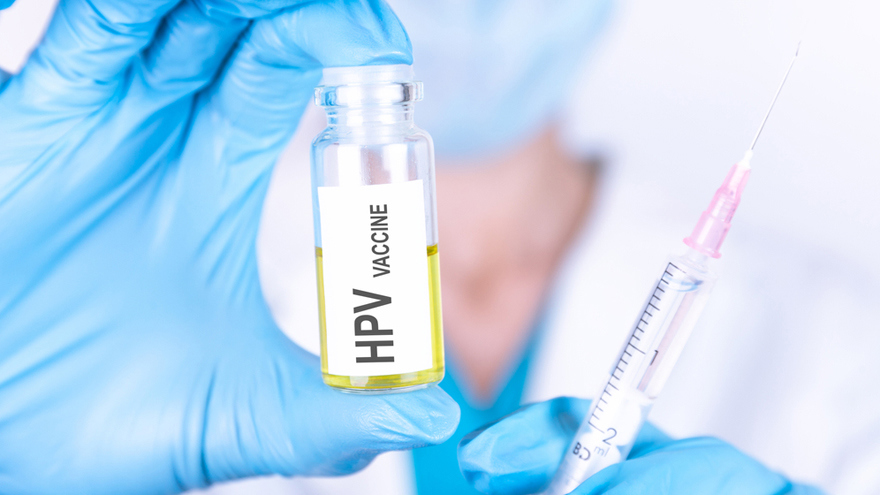
HPV is detectable through Pap smears, making regular screenings essential for cervical cancer prevention. The test can identify whether the HPV strain present is high-risk, meaning it has the potential to cause abnormal cell changes. If high-risk HPV is detected, your doctor may recommend additional monitoring or testing to track any changes in the cervix.
Moreover, the HPV vaccine, which protects against the most dangerous strains of the virus, has further reduced the incidence of HPV-related cervical cancer. Vaccination, alongside regular Pap smears, is a powerful combination in the fight against cervical cancer. It's important for women to be aware that even if they have received the vaccine, they should still continue with regular screenings, as the vaccine does not protect against all types of HPV.
The Benefits of Regular Pap Smears
There are numerous reasons why regular Pap smears should be a priority for every woman, regardless of age or risk level. Here are some of the key benefits:
Early Detection of Cervical Abnormalities: The primary advantage of having a Pap smear is the ability to catch cervical changes early. Abnormal cells detected on a Pap smear can often be removed before they develop into cancer, greatly reducing the risk of cervical cancer in the future.
Cancer Prevention: By detecting precancerous cells and high-risk HPV, Pap smears allow for timely intervention, preventing the progression to full-blown cervical cancer. This early intervention can be lifesaving, as cervical cancer can often be treated effectively if caught in the early stages.
Reduction in Invasive Treatments: Detecting abnormal cells before they turn cancerous means fewer invasive procedures and treatments are necessary. If treated early, many women will avoid the need for surgery or radiation, which can be invasive and have lasting side effects.
Peace of Mind: Regular Pap smears provide reassurance that your cervical health is being actively monitored. For many women, knowing that they are staying ahead of potential health issues can reduce anxiety about cervical cancer.
Overall Gynecological Health: Pap smears are part of a broader focus on gynecological health. They not only screen for cancer but also identify other conditions, such as infections or inflammation, that might require attention.
By making Pap smears a routine part of your healthcare, you're investing in your long-term health and wellbeing. Preventive care through regular screenings helps reduce the risk of cervical cancer and supports your overall reproductive health.
What Happens if a Pap Smear Shows Abnormal Results?
It’s important to understand that an abnormal Pap smear result doesn’t necessarily mean you have cancer. In fact, most abnormal results are caused by minor issues that can be treated easily. Abnormal results can be due to various factors, such as infections, HPV, or changes in the cervix that are not cancerous.
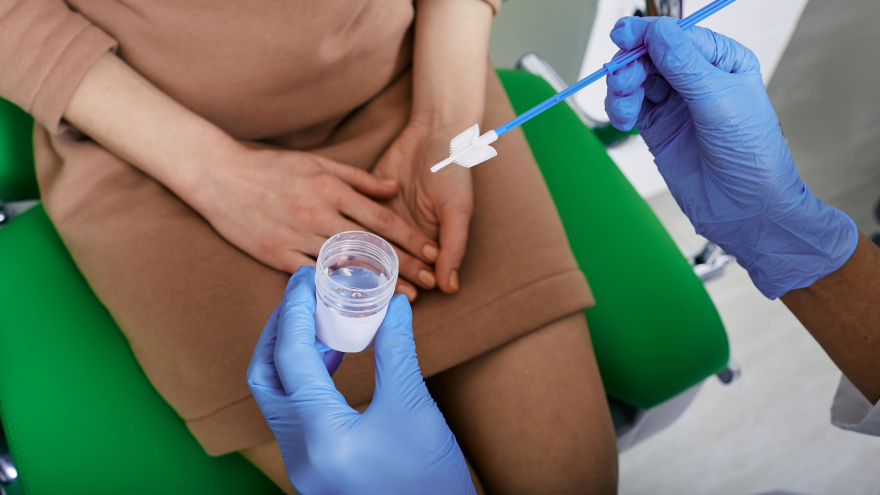
If your Pap smear result is abnormal, your healthcare provider will likely recommend further testing, such as a colposcopy, a more detailed examination of the cervix using a special magnifying instrument. During a colposcopy, your doctor may take a small tissue sample (biopsy) for further analysis. This step is often done to rule out cancer or to determine the severity of the abnormalities.
In many cases, abnormal cells may simply require monitoring over time, while more serious abnormalities might need treatment, such as cryotherapy (freezing abnormal cells) or a LEEP procedure (loop electrosurgical excision procedure) to remove the abnormal tissue. These treatments are usually highly effective and help prevent the development of cervical cancer.
It’s important to note that most women with abnormal Pap smears do not develop cervical cancer, especially with early detection and appropriate follow-up care. Staying in close communication with your healthcare provider and following the recommended treatment plan can ensure the best outcomes.
Pap Smears as Part of Preventive Healthcare for Women
Pap smears are a key component of preventive healthcare, offering a simple yet powerful tool for maintaining long-term reproductive health. They are not just about detecting cancer—they are a crucial part of a broader health strategy that includes monitoring various gynecological conditions. Regular screenings provide an opportunity for women to stay on top of their health and catch any potential issues before they become serious problems.
By integrating regular Pap smears into your routine healthcare visits, you are prioritizing your reproductive and cervical health. This commitment to preventive care helps you avoid more serious health concerns down the road, such as cervical cancer, and allows you to take proactive steps to maintain your overall health. Women’s health clinics, like Second Spring Women’s Clinic, emphasize the importance of these screenings in comprehensive gynecological care, ensuring that each woman receives personalized attention and expert care.
Regular screenings, paired with a healthy lifestyle, a balanced diet, and staying up-to-date on vaccinations (like the HPV vaccine), form the foundation of preventive care. Women who are proactive about their health can feel empowered, knowing they are taking every step to safeguard their future well-being.
Pap Smears in Different Life Stages: From Teens to Post-Menopause
A woman’s need for Pap smears changes over the course of her life. The American College of Obstetricians and Gynecologists (ACOG) has specific guidelines for Pap smear screenings based on age, sexual history, and individual health conditions. Here’s an overview of what to expect at different life stages:
Teens and Young Women (Ages 21-29): It is generally recommended that women start having Pap smears at age 21, regardless of whether they are sexually active. For women in this age group, the Pap smear is done every three years. Since HPV infections are common in this age group and can resolve on their own, the focus is on identifying any early cell changes that may indicate risk for cervical cancer.
Women in Their 30s and 40s (Ages 30-65): Women aged 30 and older may continue to have a Pap smear every three years, or they may choose to combine the Pap test with an HPV test (co-testing) and extend the interval to five years if both tests are normal. Women in this group are at higher risk for persistent HPV infections, which can lead to abnormal cervical cells over time. Regular screenings remain essential in identifying any potential problems early.
Women Over 65: Women who have had consistent, normal Pap smears over the past decade may be able to stop screening after age 65. However, this is a decision to make with your healthcare provider, especially if you have certain risk factors like a history of abnormal Pap smears or HPV. Women who are at higher risk may need to continue testing beyond age 65.
Post-Menopausal Women: After menopause, women may experience changes in cervical cells due to hormonal shifts. Regular Pap smears should continue until age 65 if recommended by your doctor. Even after menopause, abnormal cells or HPV can still pose a risk, so maintaining regular screenings is important for early detection.
Each stage of life brings new considerations, and your healthcare provider will tailor your screening schedule to your unique health needs. It’s important to maintain an open dialogue with your gynecologist to ensure that your Pap smear schedule aligns with your health risks and lifestyle.
How to Prepare for a Pap Smear: What Every Woman Should Know
Preparation for a Pap smear is simple and straightforward, but understanding how to properly prepare can help make the procedure as comfortable as possible. Here are some tips on how to prepare for your Pap smear:
Timing is Key: The best time to schedule your Pap smear is when you're not menstruating. If you're on your period, your doctor may ask you to reschedule, as menstrual blood can interfere with test results. The ideal time is usually a week or two after your period ends.
Avoid Interfering Activities: It’s best to avoid douching, using vaginal creams, or having sexual intercourse for at least 24-48 hours before the test. These activities can alter the cells on your cervix and potentially affect the results of the Pap smear.
Be Open and Communicate with Your Doctor: Let your gynecologist know if you’ve had any recent health changes, such as infections or any unusual vaginal bleeding. If you’re nervous or anxious about the test, don’t hesitate to communicate that too. A compassionate healthcare provider will help ease your concerns and guide you through the procedure.
Wear Comfortable Clothing: The Pap smear is quick, but it’s still helpful to wear clothing that’s easy to remove. Most women are asked to undress from the waist down for the test, so loose, comfortable clothing is ideal.
Remember, Pap smears are routine tests that help safeguard your health. While the idea of a pelvic exam may make some women feel nervous, it is a short and minimally uncomfortable procedure that can provide immense health benefits.
The Importance of Choosing the Right Healthcare Provider
When it comes to your reproductive health, selecting a trusted, experienced healthcare provider is paramount. A knowledgeable gynecologist or women’s health clinic can make all the difference in ensuring that your Pap smear and other health needs are met with care, expertise, and compassion.
It’s essential to choose a provider who takes the time to listen to your concerns and make you feel comfortable during your appointment. If you feel anxious about the procedure or have had a negative experience in the past, it’s perfectly okay to seek out a new provider who can offer a more supportive and patient-friendly environment. A skilled gynecologist will explain each step of the process to you, answer any questions, and provide reassurance.
If you're looking for a top-tier healthcare provider, Second Spring Women’s Clinic offers exceptional gynecological care with an emphasis on patient comfort and well-being. With state-of-the-art facilities, a compassionate team led by Dr. Seon-Hwa Jeong, and an unwavering commitment to women’s health, Second Spring Women’s Clinic is dedicated to providing personalized care and high-quality screenings, including Pap smears. Their experienced team will guide you through the entire process, ensuring that you feel informed, comfortable, and confident every step of the way.
Safety and Accuracy of Pap Smears: What You Need to Know
Pap smears are widely considered to be safe, with minimal risks. While it is normal to feel some discomfort during the test, the procedure is non-invasive, and complications are extremely rare. The test is highly accurate in detecting abnormal cell changes that could lead to cervical cancer, and it is considered one of the most effective forms of cancer prevention available.
To ensure the highest level of accuracy, it's essential to follow up on any abnormal results promptly. Most abnormalities found during Pap smears are not cancerous and can be managed effectively with proper follow-up testing and treatment. In some cases, follow-up may involve a colposcopy, biopsy, or additional Pap tests to monitor the cervical health.
Regular Pap smears also help identify other gynecological conditions, such as infections or inflammation, that may not show obvious symptoms. Detecting these issues early means that they can be treated before they develop into more serious conditions.
With its proven safety record and critical role in early detection, the Pap smear remains a vital tool in preventive healthcare. Ensuring you get regular Pap smears is a powerful step in protecting your health and ensuring your reproductive system remains in optimal condition.
Conclusion
In conclusion, regular Pap smears are an essential part of every woman’s health routine. By detecting early signs of cervical abnormalities and HPV infections, Pap smears provide women with the opportunity to prevent cervical cancer before it can develop. Early detection and preventive care are critical in safeguarding long-term health, reducing the need for invasive treatments, and saving lives.
Through regular screenings, women can take control of their reproductive health, ensuring that they stay ahead of any potential risks. While the Pap smear is an essential tool for cancer prevention, it’s equally important for women to maintain open communication with their healthcare providers and stay informed about their options for screening, vaccination, and treatment.
Women who are proactive about their health and make Pap smears a regular part of their healthcare routine are investing in their future well-being. For women in Seoul and beyond, Second Spring Women’s Clinic offers comprehensive care, including expert gynecological services and routine screenings like Pap smears, in a compassionate and comfortable environment. Dr. Seon-Hwa Jeong and her team are committed to providing the best possible care to ensure every woman’s reproductive health is taken seriously.
Empowered with the knowledge and understanding of why Pap smears are so crucial, women can confidently take the necessary steps to protect their health and enhance their quality of life. Taking this simple step could be the difference between early intervention and a more complicated diagnosis in the future. Make your health a priority today—schedule your regular Pap smear and ensure a healthier tomorrow.