Women's Healthcare Guided by an Experienced OB/GYN Specialist in Seoul
en-US
Why Is Your Period Irregular? 6 Possible Causes & Solutions
Discover 6 common causes of irregular periods and effective solutions to help restore your menstrual cycle. Learn more about period irregularities.
Introduction
An irregular period can be more than just an inconvenience. It can signal an underlying health issue, affecting not only your cycle but your overall well-being. A regular menstrual cycle is typically between 21 to 35 days, but anything outside of that range could be considered irregular. While some fluctuation is normal, frequent irregularities can cause concern. Understanding the potential causes and seeking professional help can restore balance and ensure long-term health.
At Second Spring Women’s Clinic, we specialize in diagnosing and treating menstrual irregularities, helping patients get to the root cause and find effective solutions. If you’re experiencing irregular periods, it’s essential to understand the common causes and what you can do about them.
Hormonal Imbalance: A Primary Culprit for Irregular Periods
Hormonal imbalances are one of the most common causes of irregular periods. Your menstrual cycle is controlled by a delicate balance of hormones like estrogen and progesterone. When this balance is disrupted, it can lead to missed periods, heavy bleeding, or even spotting between cycles.
What is Hormonal Imbalance?
Hormones act as messengers in your body, regulating many functions, including your menstrual cycle. If your body produces too much or too little of a certain hormone, it can affect the regularity of your period. Hormonal imbalances can be caused by a variety of factors, including stress, diet, and medical conditions.
Signs of Hormonal Imbalance:
Irregular or missed periods
Heavy or light bleeding
Mood swings
Acne or skin changes
Fatigue or weight gain
Solutions for Hormonal Imbalance:
Treating hormonal imbalances typically involves lifestyle changes or medical interventions. If you're dealing with hormonal irregularities, solutions may include:
Hormone therapy: A common treatment for hormonal imbalances involves prescribing medications like birth control pills or progesterone therapy to restore balance.
Lifestyle adjustments: Proper nutrition, regular exercise, and stress management can help regulate hormone levels. Reducing stress is especially important, as it can impact cortisol, which, in turn, affects estrogen and progesterone.
At Second Spring Women’s Clinic, we use advanced diagnostic tools to assess your hormone levels and provide personalized treatments, helping to restore a balanced and regular cycle.
Polycystic Ovary Syndrome (PCOS) and Irregular Periods
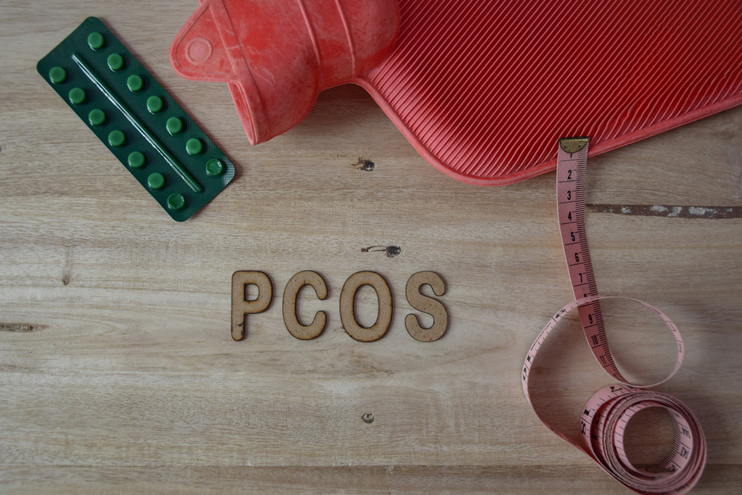
Polycystic Ovary Syndrome (PCOS) is a condition in which the ovaries produce an abnormal amount of male hormones (androgens). This imbalance can disrupt your menstrual cycle and cause irregular periods.
Understanding PCOS:
PCOS is one of the most common causes of menstrual irregularities in women of reproductive age. It occurs when the ovaries develop multiple cysts, preventing the release of eggs and causing hormonal disturbances. Women with PCOS may experience infrequent, irregular periods or even complete absence of menstruation.
Symptoms of PCOS:
Irregular or absent periods
Excessive hair growth (hirsutism)
Acne or oily skin
Thinning hair or male-pattern baldness
Weight gain or difficulty losing weight
Solutions for PCOS:
While there is no cure for PCOS, there are effective treatments to help regulate periods and manage symptoms. These may include:
Birth control pills: These help regulate hormones, reduce excess hair growth, and prevent uterine lining buildup, all of which improve menstrual regularity.
Anti-androgens: Medications like spironolactone can reduce symptoms like excessive hair growth and acne.
Fertility treatments: For women trying to conceive, ovulation-inducing medications can help regulate ovulation.
Lifestyle changes: Maintaining a healthy weight, regular exercise, and a balanced diet can improve insulin sensitivity, helping to manage PCOS symptoms.
At Second Spring Women’s Clinic, our expert team, led by Dr. Seon-Hwa Jeong, specializes in diagnosing and managing PCOS. We provide personalized care and advanced treatments, including fertility preservation options, for those seeking to regulate their cycles or conceive.
Stress and Lifestyle Factors Affecting Your Period
Your body’s response to stress can have a profound effect on your menstrual cycle. Chronic stress can lead to hormonal changes that interfere with the regularity of your period. Additionally, other lifestyle factors like diet, sleep patterns, and physical activity can influence your cycle.
How Stress Impacts Your Menstrual Cycle:
When you experience stress, your body produces a hormone called cortisol. High levels of cortisol can disrupt the delicate balance of estrogen and progesterone, leading to irregular periods or missed cycles. Stress can also affect the hypothalamus, the part of the brain that controls the hormones responsible for menstruation.
Other Lifestyle Factors That Affect Your Period:
Diet: Poor nutrition or extreme dieting can cause irregular periods. Both undernutrition and overnutrition can disrupt hormonal levels.
Exercise: While regular physical activity can help regulate periods, excessive exercise or extreme weight loss (as seen in athletes or eating disorders) can cause your periods to stop.
Sleep: Inadequate sleep or irregular sleep patterns can also interfere with your menstrual cycle.
Solutions for Stress and Lifestyle-Related Irregular Periods:
To help regulate your cycle, it’s essential to manage stress and adopt a healthy lifestyle:
Stress management techniques: Practices such as meditation, yoga, deep breathing exercises, and mindfulness can help lower cortisol levels.
Exercise regularly but moderately: Aim for 30 minutes of moderate exercise most days of the week.
Improve your diet: A balanced diet rich in fruits, vegetables, lean proteins, and healthy fats can support hormonal health.
Prioritize sleep: Aim for 7-9 hours of sleep each night to keep your hormones balanced.
At Second Spring Women’s Clinic, we offer comprehensive consultations that include lifestyle and stress management strategies. We help our patients address the root causes of their menstrual irregularities with a holistic, individualized approach.
Thyroid Disorders and Their Effect on Menstruation
Thyroid disorders can have a significant impact on your menstrual cycle. The thyroid is a butterfly-shaped gland located in the neck that produces hormones responsible for regulating your metabolism, energy levels, and even your menstrual cycle. When thyroid hormones are out of balance, they can disrupt the timing and regularity of your periods.
Thyroid Dysfunction Explained:
There are two main types of thyroid disorders that can affect your periods: hypothyroidism (underactive thyroid) and hyperthyroidism (overactive thyroid). Both conditions can interfere with the normal hormonal regulation of the menstrual cycle, leading to irregular or missed periods.
Hypothyroidism occurs when the thyroid doesn’t produce enough thyroid hormones, slowing down the body's metabolism. This can cause periods to become heavy, prolonged, or infrequent.
Hyperthyroidism occurs when the thyroid overproduces hormones, speeding up metabolism and often leading to lighter, less frequent periods.
Signs of Thyroid Issues:
Hypothyroidism symptoms include fatigue, weight gain, dry skin, and cold intolerance.
Hyperthyroidism symptoms include weight loss, nervousness, increased heart rate, and heat intolerance.
Solutions for Thyroid-Related Menstrual Irregularities:
The good news is that thyroid-related menstrual problems can be managed effectively with treatment. Solutions include:
Thyroid hormone replacement therapy (HRT): For hypothyroidism, synthetic thyroid hormones can help restore balance. For hyperthyroidism, medications like methimazole or radioactive iodine therapy may be used.
Regular monitoring of thyroid function: Ensuring that thyroid hormone levels are regularly checked and managed is essential in maintaining menstrual health.
At Second Spring Women’s Clinic, we specialize in diagnosing and treating thyroid disorders. With our comprehensive testing and personalized treatment plans, we help our patients restore their thyroid function and regulate their menstrual cycles.
Weight Changes and Menstrual Irregularities
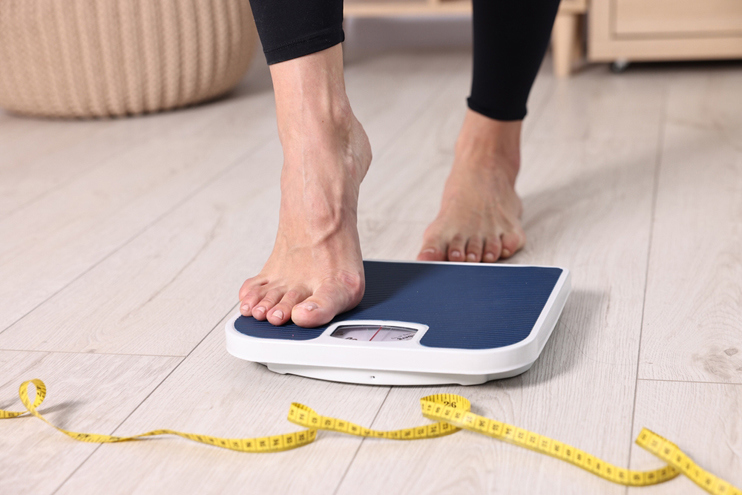
Your weight plays a crucial role in maintaining a regular menstrual cycle. Significant weight changes—whether due to weight gain, weight loss, or obesity—can disrupt the hormonal balance necessary for a normal period. Both extremes of body weight can interfere with the signals between your brain and ovaries, leading to irregular periods.
The Connection Between Weight and Periods:
When your body mass index (BMI) is too high or too low, it can cause hormonal fluctuations that interfere with your menstrual cycle. For instance:
Significant weight loss can reduce estrogen levels, leading to missed periods. This is often seen in women with eating disorders or those who engage in extreme dieting.
Obesity can increase the levels of estrogen in the body, which can result in heavier periods, prolonged cycles, or even irregular cycles altogether.
Solutions for Weight-Related Irregular Periods:
Managing a healthy weight is key to regulating your menstrual cycle. Solutions include:
Balanced diet: Ensuring you eat a diet rich in essential nutrients, including healthy fats, proteins, and carbohydrates, can help maintain hormonal balance.
Moderate exercise: Regular physical activity helps regulate weight and support overall hormonal health. However, excessive exercise, especially in combination with low body weight, can worsen menstrual irregularities.
Healthy weight management: For women who are overweight or obese, weight loss through a healthy diet and exercise plan can restore normal menstrual function.
At Second Spring Women’s Clinic, we offer comprehensive lifestyle consultations and support for patients struggling with weight-related menstrual irregularities. Our team works with you to develop a sustainable plan that promotes healthy weight and regular periods.
Perimenopause and Irregular Periods in Older Women
As women approach their 40s, they may begin to experience changes in their menstrual cycle. This transition phase, known as perimenopause, occurs as the ovaries gradually produce less estrogen, which can lead to irregular periods. Perimenopause can last anywhere from 4 to 10 years before menopause fully sets in.
What is Perimenopause?
Perimenopause is the natural process that marks the transition from reproductive years to menopause. During this time, hormonal fluctuations can cause periods to become irregular, heavier, or lighter. Some women may experience missed periods or cycles that vary in length, while others may have frequent spotting.
Symptoms of Perimenopause:
Hot flashes
Sleep disturbances
Mood changes
Heavy or irregular periods
Vaginal dryness and decreased libido
Solutions for Perimenopausal Irregularities:
While perimenopause is a natural phase in a woman's life, there are several treatment options to manage its symptoms and regulate periods:
Hormone replacement therapy (HRT): This can help replace the declining estrogen levels and alleviate symptoms like hot flashes, mood swings, and menstrual irregularities.
Non-hormonal treatments: For women who cannot or prefer not to take hormones, non-hormonal medications like antidepressants or selective serotonin reuptake inhibitors (SSRIs) can help with mood swings and hot flashes.
Lifestyle changes: Managing stress, eating a balanced diet, and staying active can reduce the severity of perimenopausal symptoms and help regulate your cycle.
At Second Spring Women’s Clinic, we specialize in managing perimenopausal symptoms and offer safe and effective treatments tailored to each patient. Our holistic approach helps women navigate this transitional phase with comfort and confidence.
Solutions for Irregular Periods: When to Seek Professional Help
While understanding the potential causes of irregular periods is essential, seeking professional help is often necessary to effectively address the issue. If you’re experiencing persistent irregularities in your menstrual cycle, it’s important not to ignore the signs. Whether you’re dealing with missed periods, very heavy periods, or cycles that are too frequent or too infrequent, a healthcare provider can help you pinpoint the cause and recommend appropriate treatments.
When to Seek Medical Advice:
Frequent missed periods (three or more in a row)
Heavy bleeding that interferes with daily activities or causes fatigue
Periods that last longer than seven days
Spotting between periods
Periods that are consistently very irregular (e.g., cycles that vary by more than 10 days in length)
Severe cramps, bloating, or discomfort during periods
A healthcare provider will typically start by taking a detailed medical history, including lifestyle habits, stress levels, diet, and any medications you are taking. From there, they may recommend blood tests, an ultrasound, or other diagnostic tests to assess your hormone levels and reproductive health.
How Second Spring Women’s Clinic Can Help:
At Second Spring Women’s Clinic, we take a personalized and comprehensive approach to diagnosing and treating irregular periods. Our expert team, led by Dr. Seon-Hwa Jeong, is committed to providing individualized care tailored to your unique situation. We offer advanced diagnostic services, including blood tests, hormone level assessments, and ultrasounds, to uncover the underlying cause of your menstrual irregularities.
With our specialized treatments, you can rest assured that you will receive the best care to restore your menstrual health and overall well-being. Whether you need hormone therapy, lifestyle guidance, or fertility preservation, we are here to help you every step of the way.
Frequently Asked Questions (FAQs)
How do I know if my period is irregular?
An irregular period can be identified if your menstrual cycle is consistently shorter than 21 days or longer than 35 days, or if you experience missed periods or excessive bleeding.
Can stress really stop my period?
Yes, chronic stress can affect the hypothalamus, the part of the brain that regulates your menstrual cycle, potentially causing missed periods or changes in the timing and flow of menstruation.
Is it normal to have irregular periods when I’m older?
It’s common to experience irregular periods as you approach perimenopause, typically in your 40s. Hormonal fluctuations during this time can cause periods to become erratic or even stop altogether.
Can PCOS cause infertility?
PCOS can affect fertility by disrupting ovulation. However, with appropriate treatment, including medications that regulate ovulation, many women with PCOS can conceive.
How can I regulate my periods naturally?
A healthy diet, regular exercise, stress management, and sufficient sleep can help regulate periods naturally. Consulting with a healthcare provider is crucial for addressing underlying causes and finding personalized solutions.
Conclusion
Irregular periods can be a frustrating and worrying issue, but with the right care and treatment, it’s possible to restore balance and improve your overall health. Whether your irregular periods are caused by hormonal imbalances, PCOS, thyroid disorders, weight changes, or the natural transition of perimenopause, there are effective solutions available to you.
At Second Spring Women’s Clinic, we understand the impact that irregular periods can have on your life, and we are dedicated to providing compassionate care and expert treatment to help you regain control over your menstrual health. Our clinic specializes in identifying the root cause of menstrual irregularities and offering tailored treatment options that promote long-term health and well-being.
If you are experiencing irregular periods or other menstrual concerns, don’t hesitate to reach out to Second Spring Women’s Clinic. Our experienced team is ready to guide you through a comprehensive evaluation and create a treatment plan that works for you. Take the first step toward better period health today.