Women's Healthcare Guided by an Experienced OB/GYN Specialist in Seoul
en-US
Why Kegel Exercises Matter for Women of All Ages
Discover the benefits of Kegel exercises for women of all ages. Learn how they improve pelvic health, strengthen muscles, and enhance overall well-being.

Introduction
Kegel exercises are often considered a simple but incredibly effective method to maintain and improve pelvic floor health. These exercises, named after Dr. Arnold Kegel who developed them in the 1940s, target the pelvic floor muscles, which support the bladder, uterus, small intestine, and rectum. Despite their simplicity, Kegel exercises are beneficial for women of all ages, from young women experiencing pregnancy to older women facing menopause.

Incorporating Kegel exercises into your daily routine can provide numerous health benefits, ranging from improved bladder control to enhanced sexual health. At Second Spring Women’s Clinic, we prioritize pelvic health and encourage patients to practice Kegel exercises regularly. This article explores why Kegel exercises are important, how they can improve overall wellness, and why they matter for women at every stage of life.
Understanding the Pelvic Floor
Before diving into the benefits of Kegel exercises, it’s essential to understand the pelvic floor and why it’s crucial for women’s health. The pelvic floor consists of a group of muscles that form a supportive hammock at the base of the pelvis. These muscles support the organs in the lower abdomen, including the bladder, uterus, rectum, and small intestine.
Pelvic floor muscles have multiple functions. They help control bladder and bowel movements, contribute to sexual health, and provide essential support for pelvic organs. When these muscles are weak or damaged, it can lead to a range of issues such as urinary incontinence, pelvic organ prolapse, and sexual dysfunction.
Kegel exercises target these muscles, strengthening and toning them, which helps improve pelvic floor function. A strong pelvic floor provides better control over bladder and bowel functions, improves sexual satisfaction, and can even aid in childbirth recovery.
The Importance of Kegel Exercises for Women's Health
Kegel exercises are an essential practice for maintaining pelvic health, regardless of age. As women experience various stages of life, such as pregnancy, childbirth, and menopause, their pelvic floor muscles can weaken or become less flexible. Kegel exercises help to combat these changes by strengthening and improving the tone of the pelvic muscles.
One of the most immediate and well-known benefits of Kegel exercises is the prevention and treatment of urinary incontinence. This common condition, which is characterized by involuntary leakage of urine, is often caused by a weakened pelvic floor. Kegel exercises help prevent urinary incontinence by improving muscle tone and bladder control.
In addition to bladder health, Kegel exercises are beneficial for overall vaginal health. A strong pelvic floor can prevent vaginal prolapse, a condition where the walls of the vagina weaken, causing pelvic organs to drop. Regular Kegel exercises can reduce the risk of prolapse and help women avoid the discomfort and complications associated with it.
Moreover, Kegel exercises also improve sexual health. Strengthened pelvic muscles can lead to better sensation and tighter vaginal muscles, enhancing sexual pleasure. Many women experience a reduction in vaginal muscle tone as they age or after childbirth. By practicing Kegel exercises, they can regain muscle strength and improve sexual satisfaction.
Kegel Exercises for Women During Pregnancy
Pregnancy is an exciting time for many women, but it also puts significant pressure on the pelvic floor. As the baby grows, the pelvic muscles stretch to accommodate the increased weight. These changes can lead to discomfort, urinary incontinence, and even pelvic organ prolapse.
Fortunately, Kegel exercises can help alleviate some of these issues. By strengthening the pelvic floor muscles during pregnancy, women can improve muscle tone and flexibility, making it easier to cope with the physical demands of pregnancy and childbirth. Strong pelvic muscles also play a role in facilitating labor by helping with better positioning and reducing the likelihood of complications during delivery.
Kegel exercises also provide a crucial benefit during postpartum recovery. After childbirth, the pelvic floor muscles may be weakened or stretched, leading to issues like incontinence or vaginal prolapse. Incorporating Kegel exercises after delivery can help restore muscle strength and tone, aiding in recovery and preventing long-term complications.
The benefits of Kegel exercises during pregnancy and postpartum are undeniable. They help women regain control over their pelvic floor muscles, leading to better bladder control, reduced pain, and faster recovery after childbirth.
Postpartum Recovery and Kegel Exercises
After giving birth, many women experience significant changes in their bodies, especially in their pelvic floor muscles. Childbirth can stretch and weaken these muscles, leading to urinary incontinence, pelvic organ prolapse, and decreased sexual satisfaction. For women who want to restore their pelvic health and regain control over their bodies, Kegel exercises are a key component of postpartum recovery.
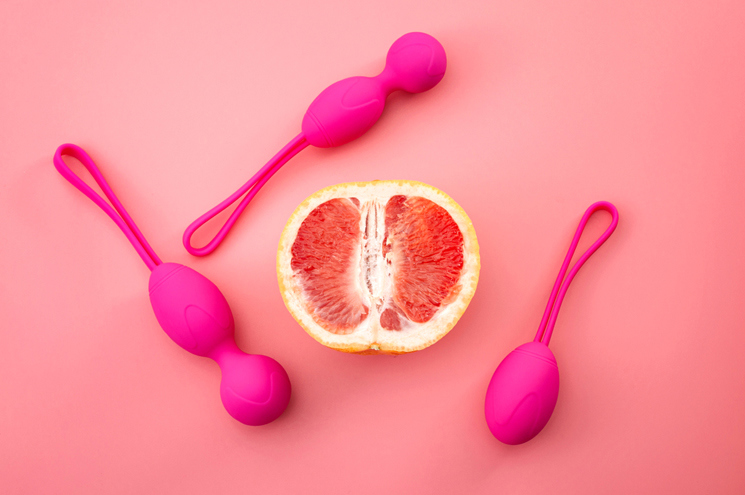
Incorporating Kegel exercises into a postpartum wellness routine can provide immediate and long-term benefits. These exercises help strengthen the pelvic floor, improve bladder control, and reduce the risk of pelvic organ prolapse. They also promote better blood circulation to the pelvic region, which aids in healing and recovery.
For instance, after a vaginal birth, Kegel exercises can be particularly beneficial in helping the muscles regain their original strength and flexibility. Many women notice a significant improvement in bladder control and pelvic tone within a few weeks of starting Kegel exercises. Regular practice can also help restore sexual health, as it strengthens the vaginal muscles and improves sensation.
At Second Spring Women’s Clinic, our team is dedicated to providing personalized care for women during postpartum recovery. We guide women through the process of pelvic floor rehabilitation, including the proper technique for Kegel exercises. With the right support and guidance, women can regain their confidence and experience long-term pelvic wellness.
Kegel Exercises and Postmenopausal Care
As women enter menopause, hormonal changes can lead to a weakening of the pelvic floor muscles, increasing the risk of issues like urinary incontinence, vaginal dryness, and pelvic organ prolapse. Kegel exercises offer an effective way to combat these changes and maintain pelvic health during this stage of life.
Regular Kegel exercises can strengthen pelvic muscles, improving bladder control and reducing the likelihood of prolapse. Additionally, pelvic floor strength contributes to better sexual health, helping to prevent discomfort during intercourse due to vaginal dryness and decreased muscle tone. By incorporating Kegel exercises into their routine, postmenopausal women can continue to enjoy an active and healthy lifestyle.
Preventing Pelvic Floor Dysfunction with Kegel Exercises
Pelvic floor dysfunction (PFD) refers to a group of conditions that affect the muscles and connective tissue of the pelvic floor, often leading to urinary incontinence, pelvic organ prolapse, and sexual dysfunction. PFD can occur due to childbirth, aging, or even heavy lifting.
Kegel exercises can prevent or alleviate many symptoms of PFD by strengthening the pelvic floor muscles and improving muscle coordination. For example, strengthening the pelvic floor can prevent urinary leakage and reduce the risk of prolapse, ensuring that pelvic organs remain in place. Consistent practice of Kegel exercises can also help prevent future issues, making them a vital part of any pelvic health routine.
The Benefits of Kegel Exercises for Sexual Health
A strong pelvic floor is directly linked to improved sexual health. For women, Kegel exercises help enhance muscle tone and blood flow to the pelvic region, which can lead to increased sexual pleasure and improved sensation. This is particularly important after childbirth or during menopause when muscle tone may weaken.
Regularly performing Kegel exercises can also help address sexual dysfunction caused by weak pelvic muscles. They can improve vaginal tightness, increase sensation during intercourse, and promote stronger orgasms. For many women, this leads to a boost in self-esteem and intimacy, making Kegel exercises an essential practice for sexual wellness.
The Science Behind Kegel Exercises: How Do They Work?
Kegel exercises work by targeting the pelvic floor muscles, which contract and release during the exercises. The process strengthens these muscles and improves their endurance and flexibility. By practicing Kegels regularly, women can increase the tone and strength of the pelvic muscles, allowing for better control over bladder and bowel movements, as well as improved sexual function.
When performed correctly, Kegel exercises improve muscle coordination and support the organs within the pelvic region. This helps to prevent or reduce pelvic floor disorders and maintains overall pelvic health. Women of all ages can benefit from the positive effects of regular Kegel exercises, which is why they are an essential part of any woman's wellness routine.
How to Perform Kegel Exercises Correctly
Performing Kegel exercises correctly is essential for achieving the desired results. Here's how to do it:
Find Your Pelvic Floor Muscles: To identify the right muscles, try stopping urination midstream. These are your pelvic floor muscles. Avoid making this a regular practice, as it could interfere with normal urination.
Contract and Hold: Once you've located the muscles, tighten them by pulling them upward (as if trying to stop the flow of urine) and hold for 5 seconds.
Relax: Release the contraction and rest for 5 seconds.
Repeat: Do this 10-15 times in a set, working up to three sets per day. Be sure to breathe normally and avoid tightening your stomach, buttocks, or thighs.
Consistency is key. It’s essential to practice Kegel exercises regularly for at least a few weeks to start noticing improvements in muscle strength and pelvic health.
Kegel Exercises and Incontinence Prevention
Urinary incontinence is a common condition that affects many women, especially during pregnancy or after childbirth. It’s often caused by weakened pelvic floor muscles that can no longer effectively support the bladder. Fortunately, Kegel exercises are a proven method to prevent and treat urinary incontinence.
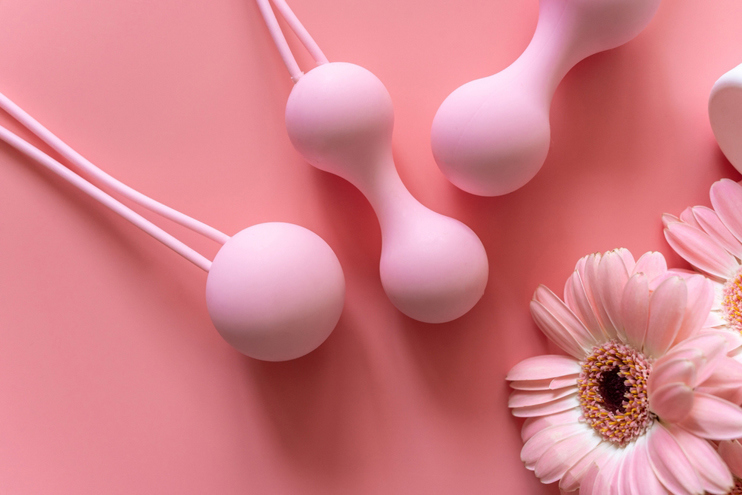
By strengthening the pelvic muscles, Kegels help improve bladder control, reducing the frequency of leakage. Whether you're dealing with occasional leaks or more frequent incontinence, Kegel exercises can make a significant difference. Additionally, they are a non-invasive solution that doesn’t require medications or surgery, making them an ideal first line of defense for women looking to address this issue.
Kegel Exercises for Strengthening Pelvic Muscles
In addition to preventing incontinence, Kegel exercises are a fantastic way to strengthen the pelvic muscles overall. A strong pelvic floor supports bladder, bowel, and sexual health. By regularly contracting and releasing the pelvic floor muscles, you can improve muscle tone and endurance.
For women experiencing pelvic organ prolapse, Kegel exercises can be especially helpful. This condition occurs when the pelvic organs (like the bladder or uterus) slip down into the vaginal canal due to weakened muscles. Strengthening the pelvic floor with Kegel exercises can help prevent further prolapse and provide support to the organs, reducing symptoms and improving quality of life.
Kegel exercises can also benefit women dealing with sexual health concerns, such as reduced sensation or vaginal dryness, by improving blood flow and muscle tone. A strong pelvic floor can lead to better sexual experiences and heightened pleasure.
When to Consult a Professional: Seeking Help for Pelvic Floor Issues
While Kegel exercises are a powerful tool, it's essential to recognize when professional help is needed. If you experience severe pelvic floor issues, such as persistent urinary incontinence, prolapse, or pain during sex, it’s important to seek guidance from a healthcare provider. At Second Spring Women’s Clinic, we offer expert care for women dealing with pelvic floor dysfunction.
A professional can assess your pelvic health and provide personalized treatment plans, including pelvic floor therapy, to address more complex issues. They can also guide you on how to properly perform Kegel exercises, ensuring you achieve optimal results. For women experiencing persistent pelvic health concerns, seeking a professional's advice can make all the difference in your long-term health and wellness.
Combining Kegel Exercises with Other Pelvic Health Practices
While Kegel exercises are highly effective on their own, they can be even more beneficial when combined with other pelvic health practices. Incorporating lifestyle changes such as maintaining a healthy weight, practicing good posture, and staying physically active can help support your pelvic floor health.
In some cases, physical therapy may be recommended to enhance the effectiveness of Kegel exercises. Pelvic floor therapy, which involves specialized exercises and techniques, can provide additional support in managing pelvic floor disorders. At Second Spring Women’s Clinic, we offer personalized care that combines Kegel exercises with other treatments to ensure optimal pelvic health.
Diet is another important factor; consuming foods that promote muscle health—such as those rich in vitamins, minerals, and fiber—can further support the pelvic floor. Regular hydration is equally crucial, as it helps prevent bladder irritation, contributing to improved urinary control.
Kegel Exercises for Women of All Ages: A Lifelong Commitment
Pelvic health is a lifelong journey, and Kegel exercises are an essential part of maintaining it at every stage of life. Whether you are a young woman preparing for pregnancy, a mother recovering from childbirth, or an older woman managing menopause, Kegel exercises offer valuable benefits.
By starting Kegel exercises early and maintaining consistency throughout life, women can experience better bladder control, improved sexual health, and reduced risk of pelvic floor dysfunction. For those approaching menopause or dealing with post-pregnancy recovery, Kegels can help mitigate the effects of aging or childbirth on the pelvic floor muscles.
It’s never too late to begin practicing Kegel exercises. Even in your 50s or 60s, strengthening your pelvic floor can help improve quality of life, prevent future issues, and promote long-term wellness. A lifelong commitment to pelvic health ensures you can remain active, healthy, and confident.
Why Second Spring Women’s Clinic is the Best Option for Pelvic Health
At Second Spring Women’s Clinic, we are dedicated to empowering women with the knowledge and tools needed to maintain pelvic health at every stage of life. Led by Dr. Seon-Hwa Jeong, a renowned expert in gynecology and women's health, our clinic offers personalized treatment plans designed to support optimal pelvic wellness. We take a holistic approach, combining Kegel exercise education with advanced treatments and therapies.
Whether you are dealing with postpartum recovery, managing incontinence, or seeking support for postmenopausal health, Second Spring Women’s Clinic provides comprehensive care. We offer expert guidance on performing Kegel exercises correctly, addressing pelvic floor dysfunction, and combining exercises with other therapies for the best outcomes.
Our clinic is committed to helping women regain confidence and improve their pelvic health, ensuring that they feel empowered and supported throughout their wellness journey. With state-of-the-art facilities and a compassionate, patient-focused approach, Second Spring Women’s Clinic is your trusted partner in achieving lifelong pelvic health.
Conclusion
Kegel exercises are a simple yet powerful tool for maintaining pelvic floor health, addressing common conditions such as urinary incontinence, pelvic organ prolapse, and sexual health concerns. Regardless of age, incorporating Kegel exercises into your routine can improve your overall well-being, prevent future complications, and support a healthier, more active lifestyle. At Second Spring Women’s Clinic, we provide expert care and guidance to help women of all ages strengthen their pelvic health. Whether you're preparing for pregnancy or managing menopause, we're here to support you every step of the way.