Women's Healthcare Guided by an Experienced OB/GYN Specialist in Seoul
en-US
Why the HPV Vaccine is Recommended Before Becoming Sexually Active
Discover why the HPV vaccine is most effective before sexual activity begins. Protect your health early—learn more about HPV prevention today.

Introduction

Human Papillomavirus (HPV) is one of the most widespread infections worldwide, with most sexually active individuals encountering it at some point in their lives. In many cases, HPV causes no symptoms and clears naturally. However, certain high-risk strains are responsible for serious health problems such as cervical cancer, precancerous lesions, genital warts, and other cancers affecting both women and men.
Because of these risks, international health authorities such as the World Health Organization (WHO), the U.S. Centers for Disease Control and Prevention (CDC), and the Korean Society of Obstetrics and Gynecology recommend HPV vaccination, ideally before an individual becomes sexually active. This preventive step ensures the body is protected against HPV before any potential exposure.
At Second Spring Women’s Clinic, Dr. Seon-Hwa Jeong emphasizes the importance of early HPV vaccination as part of a comprehensive approach to protecting women’s health across every stage of life. Below, we explain why timing is so critical and what benefits the vaccine provides.
Maximum Protection Before Exposure
The most important reason to get vaccinated before becoming sexually active is that the HPV vaccine is preventive, not therapeutic. This means it works best when administered before any exposure to the virus.
How HPV spreads: HPV is transmitted primarily through sexual contact, including vaginal, anal, and oral sex. Even without intercourse, close skin-to-skin contact in the genital area can spread the virus.
Why timing matters: Once someone is exposed to HPV, the vaccine cannot eliminate the virus or treat an existing infection. Instead, its role is to help the immune system build defenses that block the virus from ever establishing an infection in the first place.
Long-term protection: Getting vaccinated early—before a first sexual partner—ensures maximum coverage. Studies consistently show the vaccine’s effectiveness is highest when given in adolescence, before exposure risk begins.
In short, early vaccination is like putting on armor before entering the battlefield, rather than after the arrows have already landed.
Strong and Long-Lasting Immune Response
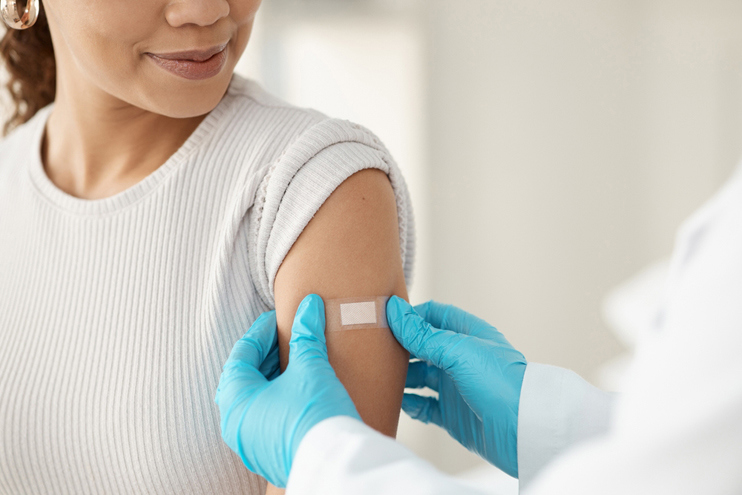
One of the key advantages of vaccinating before sexual activity is the strength of the immune response at younger ages.
Immune system readiness: Children and adolescents between ages 9 and 14 typically produce higher levels of protective antibodies in response to the HPV vaccine than older teens or adults. This translates into stronger and more durable protection.
Simpler vaccination schedule: For younger recipients, the vaccine can often be given in just two doses spaced 6–12 months apart. Older teens and adults usually require three doses to achieve the same effect.
Proven durability: Clinical studies show that HPV vaccination provides long-lasting immunity, with protection extending well over 10–15 years in most recipients, and evidence suggests this may last a lifetime.
By vaccinating early, patients get the benefit of both a more efficient immune response and greater long-term peace of mind.
Prevention of Cervical and Other Cancers
Perhaps the most powerful reason to vaccinate early is the vaccine’s role in cancer prevention.
Cervical cancer: HPV is responsible for nearly 100% of cervical cancer cases worldwide. The strains most often linked to cancer—HPV types 16 and 18—are covered by the vaccine. Vaccination dramatically reduces the risk of developing cervical cancer later in life.
Other gynecological cancers: HPV can also cause vaginal and vulvar cancers, which, while less common, are often aggressive and difficult to detect early. Vaccination reduces these risks as well.
Non-gynecologic cancers: HPV infection can also lead to anal cancer, penile cancer, and oropharyngeal cancers (throat, tongue, and tonsil). Vaccinating before exposure protects against these cancers, benefitting both women and men.
Precancerous lesions: HPV often causes abnormal cell changes in the cervix (cervical dysplasia). These may require repeated medical procedures like colposcopy or surgery. By preventing HPV infection in the first place, vaccination reduces the need for such interventions.
The HPV vaccine is not just about preventing an infection—it’s about protecting future health and reducing cancer risk across a lifetime.
Protection for Both Women and Men
Although cervical cancer is often the focus when discussing HPV, it is important to recognize that HPV-related disease affects all genders.
In men: HPV can cause genital warts, penile cancer, anal cancer, and throat cancers. Men cannot be screened for HPV the way women are screened with Pap smears, making prevention through vaccination especially important.
In couples: When both partners are vaccinated, the risk of HPV transmission drops significantly, protecting relationships and reducing the overall spread of the virus in the community.
Herd protection: High vaccination rates in a population also create “herd immunity,” indirectly protecting those who are unvaccinated or unable to receive the vaccine for medical reasons.
Encouraging both boys and girls to receive the vaccine before becoming sexually active is now standard practice in many countries, including South Korea.
Peace of Mind for the Future

HPV vaccination provides more than medical protection—it also provides emotional reassurance for women and their families.
Reducing anxiety: Many women worry about HPV-related health problems, particularly when planning for pregnancy or facing menopause. Vaccination helps reduce this stress by lowering the chances of complications.
Pregnancy safety: HPV infection during pregnancy can complicate care, sometimes requiring close monitoring or procedures to prevent precancerous changes from progressing. Being vaccinated in advance provides added security for future mothers.
Lifelong well-being: Knowing you have taken steps to prevent HPV-associated diseases allows for greater confidence in intimate relationships and long-term reproductive health.
Peace of mind is an often-overlooked but very real benefit of early vaccination.
Frequently Asked Questions (FAQs) About HPV Vaccination
Who should get the HPV vaccine?
Recommended for both girls and boys starting at age 9–12 years.
Catch-up vaccination is available for women up to age 45 and men up to age 26.
Is the vaccine safe?
Yes. HPV vaccines have been studied extensively and are considered very safe, with millions of doses administered worldwide. Side effects are typically mild, such as temporary soreness at the injection site.
Does vaccination eliminate the need for Pap smears?
No. Even vaccinated women should continue regular cervical cancer screening because the vaccine does not cover every possible strain of HPV. Screening and vaccination together provide the strongest protection.
Can adults still benefit from vaccination?
Yes. While the vaccine is most effective before sexual activity, adults who may not have been exposed to all HPV strains can still benefit from vaccination.
The Role of Preventive Care at Second Spring Women’s Clinic
At Second Spring Women’s Clinic in Gangnam, Seoul, prevention is a cornerstone of women’s health. Dr. Seon-Hwa Jeong and her team emphasize a patient-centered approach that combines advanced medical techniques with compassionate, individualized care.
Personalized vaccination guidance: Whether you are a young woman preparing for your future, a parent seeking protection for your daughter, or an adult woman considering catch-up vaccination, the clinic provides tailored advice.
Comprehensive women’s health services: Alongside HPV vaccination, Second Spring Women’s Clinic offers fertility preservation, gynecological care, menopause support, and innovative treatments such as 3D laser labia surgery.
Lifelong support: The clinic prioritizes ongoing follow-up and open communication, ensuring every patient feels informed and supported throughout her healthcare journey.
Key Takeaways
The HPV vaccine is most effective before sexual activity begins, as it prevents infection rather than treating it.
Early vaccination leads to a stronger immune response and long-lasting protection.
HPV vaccination helps prevent cervical cancer, genital warts, and other HPV-related cancers in both women and men.
Vaccination offers not only medical benefits but also peace of mind about future health and well-being.
At Second Spring Women’s Clinic, Dr. Seon-Hwa Jeong recommends timely HPV vaccination as part of a holistic strategy for women’s lifelong reproductive health.
Final Word
The HPV vaccine is a simple yet powerful tool to protect against one of the most common—and potentially dangerous—viruses affecting women today. By vaccinating before sexual activity, women and men alike can take control of their health, safeguard their future fertility, and reduce the risk of multiple cancers.
Second Spring Women’s Clinic is here to guide you every step of the way, from preventive care like HPV vaccination to advanced gynecological treatments that support your health at every stage of life.